





















Weekend Doctor: Two types of mammograms - screening and diagnostic

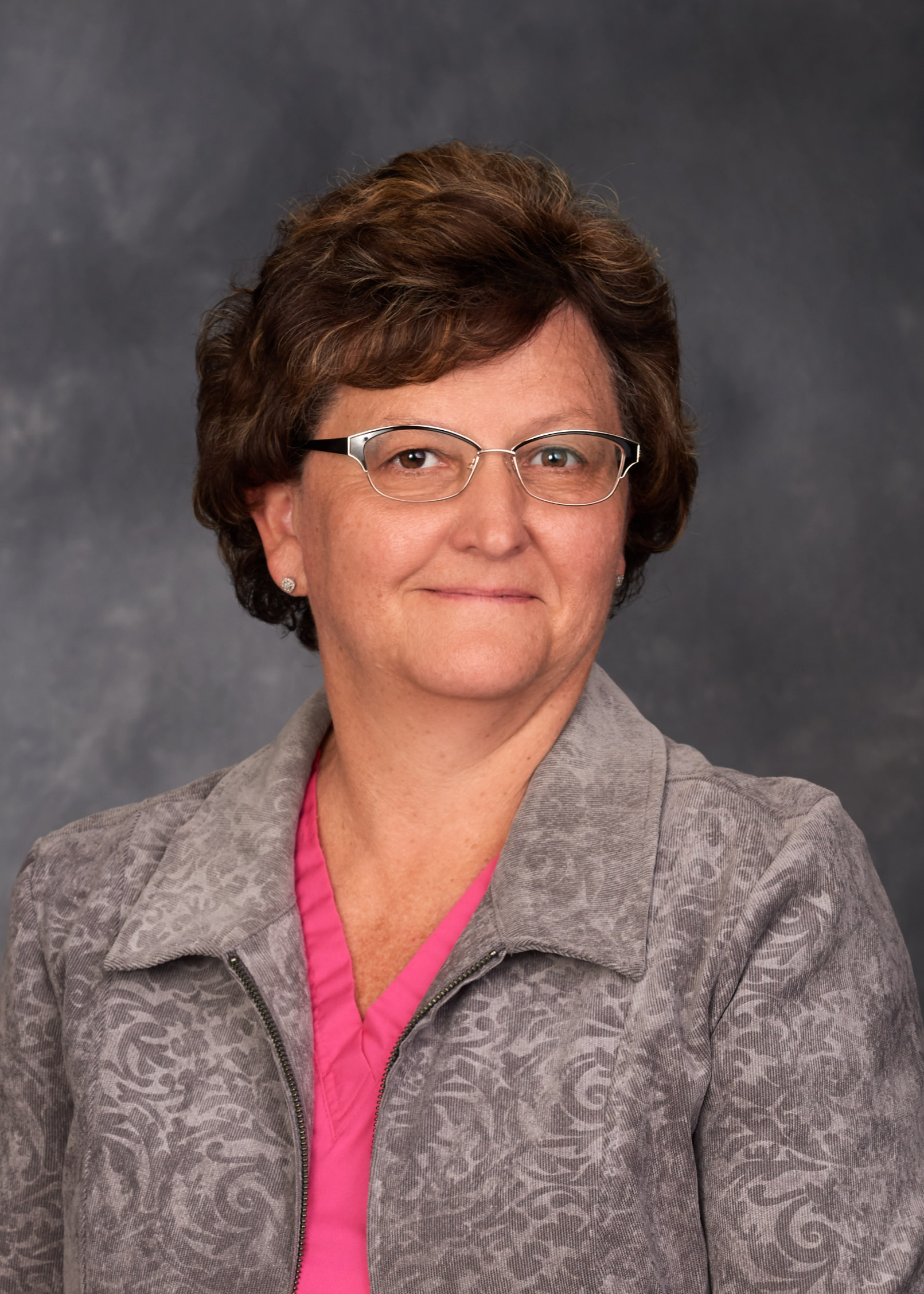
By Tanna Pate
Mammography Supervisor
EasternWoods Women & Children’s Center
Mammograms are X-rays of the breasts that help providers detect abnormalities or changes that may be signs of breast cancer. There are two different types of mammograms: screening and diagnostic. Screening mammograms are for asymptotic women and routine testing than diagnostic, and usually images of the breast are taken from only two different angles. Diagnostic mammograms are more in-depth problem-solving and are used when heath care providers discover abnormalities during breast exams or on screening mammograms and decide to take a closer look. During diagnostic mammograms, images from more angles may be taken that are typically unnecessary during screening mammograms.
Mammograms examine breast tissue and use compression to spread the tissue apart so radiologists can detect changes or small cancerous lumps that cannot otherwise be seen or felt. Those who are at a higher than average risk should begin speaking with their health care provider about receiving a mammogram before age 40. Women with relatives such as a mother or sister with a history of breast cancer should begin receiving mammograms 10 years younger than the age that relative was diagnosed, or at age 40, whichever is younger. For instance, if a patient’s sister was diagnosed with breast cancer at age 42, that patient should begin receiving mammograms by age 32. By age 45, women should begin receiving mammograms yearly. This is to monitor the breasts for signs of cancer as early as possible. Women who test positive for a BRCA1 or BRCA2 gene mutation should generally begin receiving annual mammography, breast MRI sand breast exams at age 25.
If a patient is found to have cancer, it usually is caught early and treated quickly. However, only two to four mammograms in every 1,000 women lead to a breast cancer diagnosis.
Regardless of age, women who experience unusual symptoms in their breast(s) should speak to their health care provider immediately about receiving a mammogram. Signs of breast cancer include the following breast symptoms:
- Lump, hard knot or thickening of skin
- Dimpling or indentation of the skin
- Itchy, scaly, sore or rash-covered nipple
- Swelling, warmth, redness or darkening
- “Orange peel” skin
- Change in shape or size of breast
- Nipples become sunken or inverted
- New pain develops in one spot and does not leave
Although many symptoms are often found to be benign, or non-cancerous, speaking with your health care provider about your symptoms and receiving a mammogram can help you and your provider know whether treatment is necessary. Mammograms are the first step toward diagnosing and treating breast cancer and abnormalities. Talk to your provider today about receiving a mammogram.
Stories Posted This Week
Sunday, October 18, 2026
Saturday, October 17, 2026
Friday, October 16, 2026
- Production offers a modern take on the story of St. Clare of Assisi
- Bluffton volleyball edged in 5 by Van Buren
- Pirate girls soccer tie O-G
- October 16 Bluffton Schools athletics lineup, streaming
- Bluffton Council recap: Officers honored for 25 years of service
- Bluffton Clean Up teams up with Troop 3256 Cub Scouts
- Ada FFA: Feeding the Farmers
- Nov. 7 Fall Community Day at Bluffton University
- Quarry Farm Nature Preserve news for Fall 2026
Thursday, October 15, 2026
- DeWine announces $200M Rural Health Transformation program award
- Herb program with Marge Lafollette, Oct. 15
- Prairie seeding activity at Bluffton University, October 24
- Food for thought: Choline for the brain
- Results for 5K on October 2, Bluffton University Homecoming event
- 15 minutes with Sherry Miller, senior center activities coordinator
Wednesday, October 14, 2026
- Ada Icon headlines, October 14
- CANCELLED Main St. closure on October 15
- Frederick Clyde Warren founded True-2-Form Plastics
- Pirate boys soccer beats Wapak in regular season finale
- Pirate girls soccer defeats Liberty Center
- Mennonite pastor to explore ‘good news’ in creation
- Bluffton University earns recognition in U.S. News & World Report rankings
- Obituary for Deborah "Debbie" Welch, 74
- Spirits and exorcism presentation during University Spiritual Life Week Forum
- Dodging bullets: Bluffton oral history 90+ years after Dillinger robbery
- Nora Matthews named BHS Student of the Month for September 2026
- ICAPP analysis on charter status and local autonomy