



















Boogie Wonderland: Dancing and the brain

By Karen Kier
Pharmacist on behalf of the ONU HealthWise team
Boogie Wonderland was released in April 1979 by Earth, Wind & Fire for Columbia Records. The song won a Grammy for the Best R&B Instrumental Performance. Maurice White founded the group in 1969 and the name derives from his astrological sign of Sagittarius. The group was inducted in the Rock and Roll Hall of Fame as well as receiving Kennedy Center Honors in 2019. As with much of the Earth, Wind & Fire music, Boogie Wonderland really makes you want to jump up and dance.
Research has already shown us the importance of physical activity and brain health, but does dancing in any form help our brain and mental health?
CONTINUES
The focus of recent research has evaluated the impact of dancing on neurocognitive functions and mental health.
So, what is neurocognitive function?
It is the specific pathways in the brain or a specific location in the brain that affects daily functions. These pathways affect cognitive skills such as memory, visual, spatial (arranging), language, math, and problem-solving skills. These can include your working memory, attention, processing information speed, planning, problem-solving and word recall.
Researchers evaluate 5 different domains when assessing neurocognitive function. These 5 include social cognition, language, executive function, perceptual-motor, and learning and memory. Neurocognitive functions can be altered by several diseases such as Alzheimer’s disease, multiple sclerosis, Parkinson’s disease and changes after a stroke.
In March of 2024, a study was published in the journal Personality and Individual Differences evaluating the impact of dancing on neurocognitive function. Similar research had evaluated these domains in musicians, singers and actors.
The Swedish and German researchers evaluated 6,009 professional and amateur dancers on different domains of neurocognitive function and compared the results to a group who did not dance. The study evaluated the different types of dance genres including swing, ballet, contemporary, street dancing, tango and Latin. The researchers considered if there were potential differences in the type of music they danced to such as pop, rock, Latin, swing, Western or classical.
The dancers demonstrated a higher level of being open, agreeable and showing less neurosis than the study group who did not dance. The researchers defined neurosis as evaluating the participants on levels of anxiety, depression, irritability and self-consciousness. This also included feeling less overwhelmed. The dancers were more likely to be extraverts and showed positive neurocognitive outcomes.
The scientists compared their results from the dancer study to other research evaluating other art forms. The authors found dancers and musicians had a high level of openness and agreeability. Dancers, singers and actors had high levels of being more extroverted than introverted. Musicians were more likely to be introverted and had higher levels of neurosis relating to mental health issues. Dancers had significant lower levels of anxiety, depression, irritability and self-consciousness compared to musicians and nondancers.
The researchers did not find a difference among the dancers based on the style of dance or the type of music played when dancing. The difference was in the movement of dance and not the genre. There was no difference between amateur dancers versus professional dancers.
The study supports the use of dance as a way to improve neurocognitive function and reduce some mental health issues such as depression and anxiety. Dance helped individuals feel less overwhelmed. Dance is a form of physical exercise to help brain health and provides a fun way to move to music no matter your preference.
Get up and boogie! Feel the groove or just get up and dance!
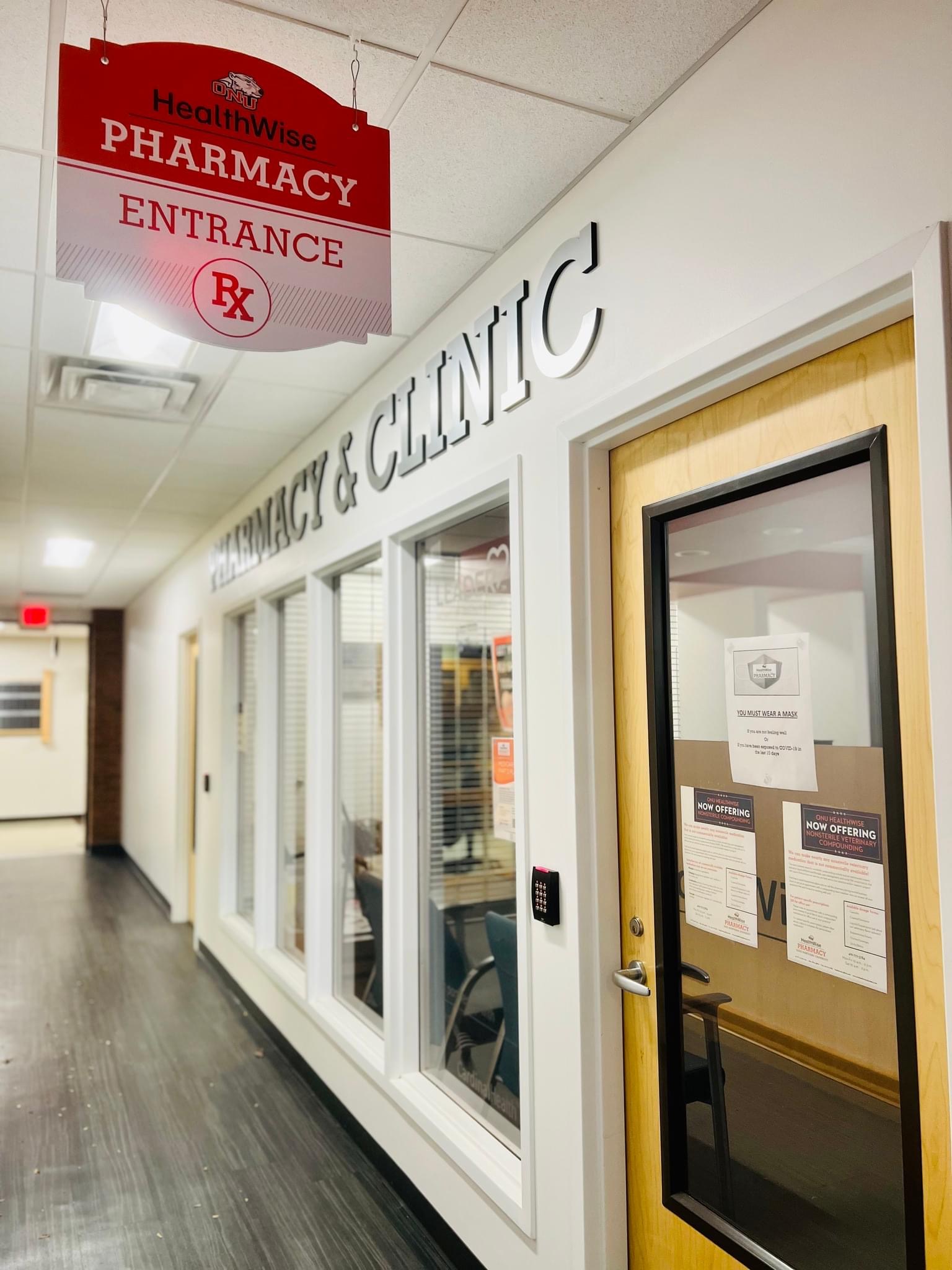
Contact ONU HealthWise Pharmacy (419-772-3784) for more information. ONU Healthwise is offering the flu and COVID-19 vaccines. Vaccine clinics occur Monday through Friday from 4:00-6:00 p.m.
Stories Posted This Week
Saturday, October 10, 2026
Friday, October 9, 2026
- Ada Icon headlines, October 9
- Pirate girls soccer loss vs. St. Marys
- Pirate volleyball sweeps Carey
- “The Trumpet Player” sculpture at Bluffton University receives conservation grant
- October 9 Bluffton Schools athletics lineup, streaming
- Plenty of action at Oct 10 Dillinger robbery reenactment and motorcycle show
- Caitlyn Couch junior piano recital, October 16
- Bluffton community survey opens for Active Transportation Plan
Thursday, October 8, 2026
- Ada Icon headlines on Thursday, October 8
- St. John Bible Church to host "Refocus on Purpose" workshop
- Royal riches: Gout
- Has Bluffton made a birder out of you?
- BPL Afterschool activity: Curious Kids Club
- Book and pizza tasting at Bluffton Public Library
- Final 50 for 250 performance at BPL
- Walking through the Suter Corn Maze
- Resident feedback sought for Regional Transportation Plan
- Bluffton University honors three for service, achievement and leadership
Wednesday, October 7, 2026
Tuesday, October 6, 2026
- Bluffton Area Chamber of Commerce monthly meeting, Friday, Oct. 9
- Fire extinguished at SRK Industries, plant resumed operation same day
- Bluffton girls tie Grove in NWC showdown
- Pirate volleyball falls to powerhouse Patriots
- BHS GOAT: Latin teacher Margaret Weaver
- Library patrons invited to showcase their collections or causes
- September 2026 land transfers in the Bluffton school district