






















No pain, no gain: Can pain medications reduce dementia risk?

By Chaehyeon Jin, Student Pharmacist and Karen Kier, Pharmacist
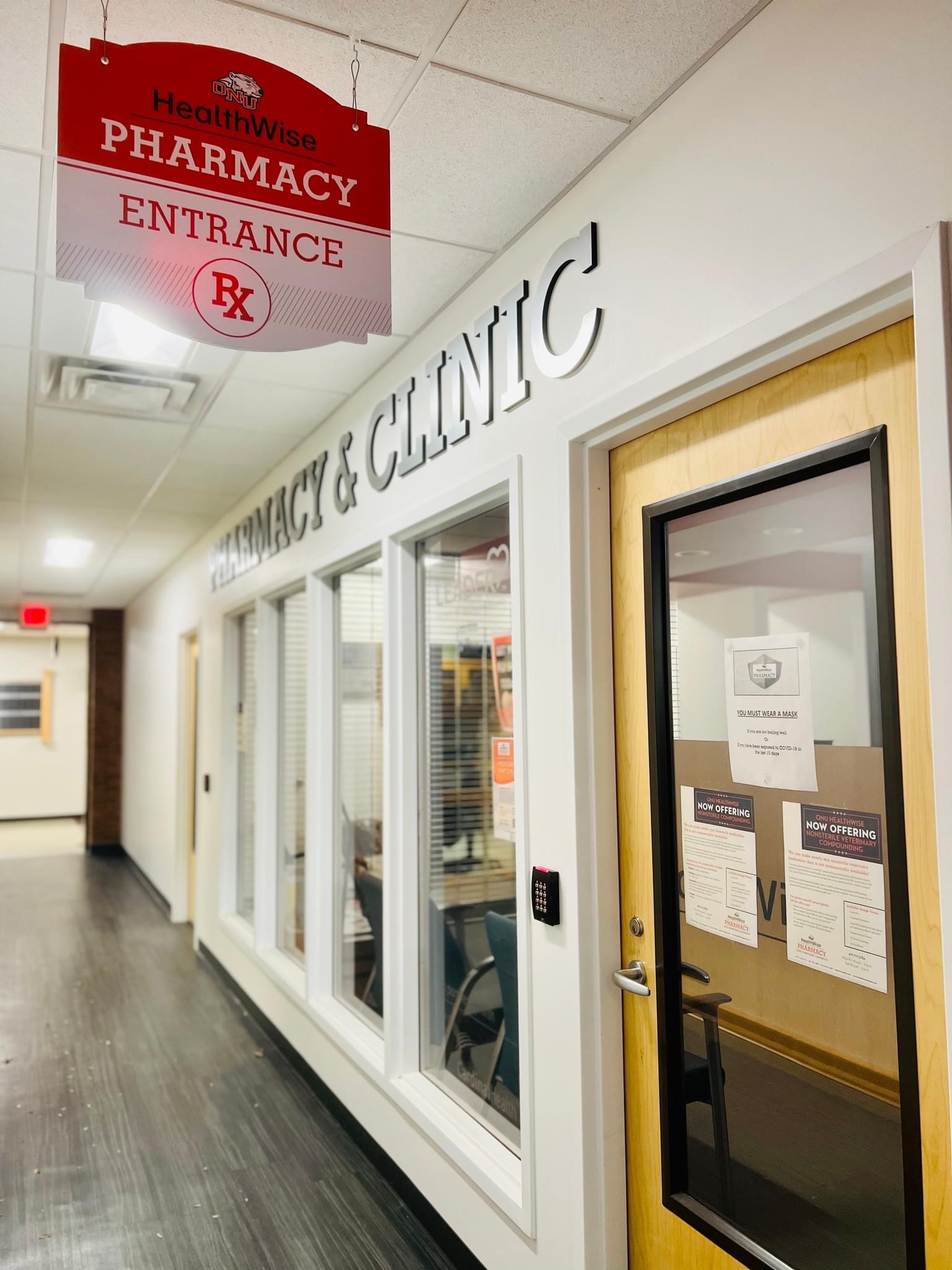
ONU Healthwise Pharmacy
The saying “no pain, no gain” has roots in ancient Greece, when Sophocles wrote “there’s no success without pain” in his play Electra. In 1758, Ben Franklin published a book title The Way to Wealth and penned the statement, “there are no gains, without pains.” The saying took on new meaning with the aerobics craze of the 1980s when Jane Fonda’s videos pushed you to “feel the burn.”
With the pains of exercise, we could recommend over the counter (OTC) medications such as ibuprofen (Motrin®, Advil®) or naproxen (Aleve®) to help relieve pain. These drugs belong to a class of medications known as the nonsteroidal anti-inflammatory drugs, often just abbreviated as NSAIDs.
Doses of OTC NSAIDs can be helpful for treating minor pain, fever, arthritis and some inflammation. The prescription strength of the same medications can provide stronger relief from pain, inflammation and arthritis. Ask your pharmacist for help with NSAID recommendations.
Ibuprofen was FDA-approved as a prescription product in 1974 and became available as an OTC product in 1984. Since that time, we have learned more about NSAIDs use and safety. In 1997, the Baltimore Longitudinal Study in Aging was published and demonstrated an association with a reduction in dementia risk in participants who routinely took NSAIDs for more than 2 years. Other studies have been published since that time with similar results.
Why is this so important today?
The United States population is advancing in age, with more baby boomers turning 65 years old, coinciding with a reduction in birth rates. In 2020, 1 in 6 adults were over the age of 65.
As society advances, population aging has brought an emerging public health concern: dementia. This condition affects millions of individuals and their families worldwide. Researchers continue to investigate its causes and explore strategies to reduce risk.
A 2025 study, published in the Journal of the American Geriatrics Society, examined whether long-term use of NSAIDs, such as ibuprofen or naproxen, could help to reduce dementia risk.
The study followed 11,745 dementia-free adults, with an average age of 66, over approximately 14½ years. Findings revealed participants who used NSAIDs for more than 24 months experienced about a 12% lower risk of developing dementia compared to non-users. However, shorter-term use (less than two years) did not demonstrate the same benefit.
Why not recommend daily use of NSAIDs to prevent dementia? The researchers emphasized that long-term NSAID use carries potential risks, precluding it from being an ideal solution. Prolonged use may cause serious side effects, including stomach bleeding, kidney impairment, and cardiovascular issues. NSAIDs affect the ability of the blood to form a clot when you cut yourself. They can also cause irritation and bleeding from the gastrointestinal tract, which can be mild to severe.
A Cleveland Clinic study was the first to reveal some potential problems with some prescription NSAIDs involving heart disease. For more detailed guidance, contact your healthcare provider.
Currently, experts do not recommend starting NSAIDs for the prevention of dementia. Individuals who daily take NSAIDs for other medical reasons could benefit from the reduction in the risk of dementia. Always consult a healthcare provider before starting or modifying any medication.
Proven strategies to reduce dementia risk involve healthy lifestyle habits. Regular physical activity, a balanced diet, adequate sleep, mental games/puzzles, and social engagement are keys.
If NSAIDs are part of your treatment plan, pharmacists can ensure safe usage by using the lowest effective dose for the shortest time, taking it with food to protect the stomach, and checking for interactions with other medications.
With no pain from NSAID treatment, we could see a gain in the reduction of dementia.
If you are interested in more information, please contact ONU HealthWise Pharmacy at 419-722-3784.
◾️
Stories Posted This Week
Monday, October 26, 2026
- Beavers sports roundup, October 19-25
- Ada Icon headlines, October 26
- November 13 fish fry at Emmanuel UCC
- Citizens National Bank customer appreciation day, October 30
- Bluffton University offers free agricultural and environmental field trips
- Trinity Trunk or Treat, October 31
- October 26 Bluffton Schools athletics lineup, streaming
- Public invited to Bluffton Lions program with President Sider
Sunday, October 25, 2026
Saturday, October 24, 2026
- Ada Icon headlines, October 24
- Are you a friend of the Bluffton Public Library?
- Weekend Doctor: What you need to know about flu season
- Courtney Linke joins CNB as VP Business Banking Officer
- Blanchard Valley Health System Announces Updates to Board of Trustees
- Blanchard Valley Health Foundation Announces Changes to Board of Directors
Friday, October 23, 2026
- Village of Bluffton announces late afternoon drill at Bluffton Schools, October 23
- Pirate volleyball eliminated in sectionals by Archbold
- Pirate boys soccer knocked off by Bath
- Main St. closure rescheduled; parapet work to take place Oct. 27
- Bluffton student to reflect on diabetes research experience
- Bluffton University receives $8,000 Stinner Summit award for youth agricultural and environmental education
- Elections matter, including midterms
Thursday, October 22, 2026
- Ada Icon headlines, October 22
- ICAPP study: Ohioans strongly oppose data center expansion and tax breaks
- Pirate girls soccer ousts rival Allen East in sectionals
- Strawberry Fields Forever: Fruit polyphenols and brain health
- Last call for Bluffton Cars & Coffee for 2026
- Icon calendar gets a little more elbow room
- Bluffton Board of Education recap: Contracts for coaches and new bus driver
- Bluffton Lions Club update for October 2026
- Bluffton chamber photo competition display and reception announced
- Bluejays and buzzards catch the eye of this Accounting prof