



















Heartbreak Hotel: Protecting Your Heart During the Holidays

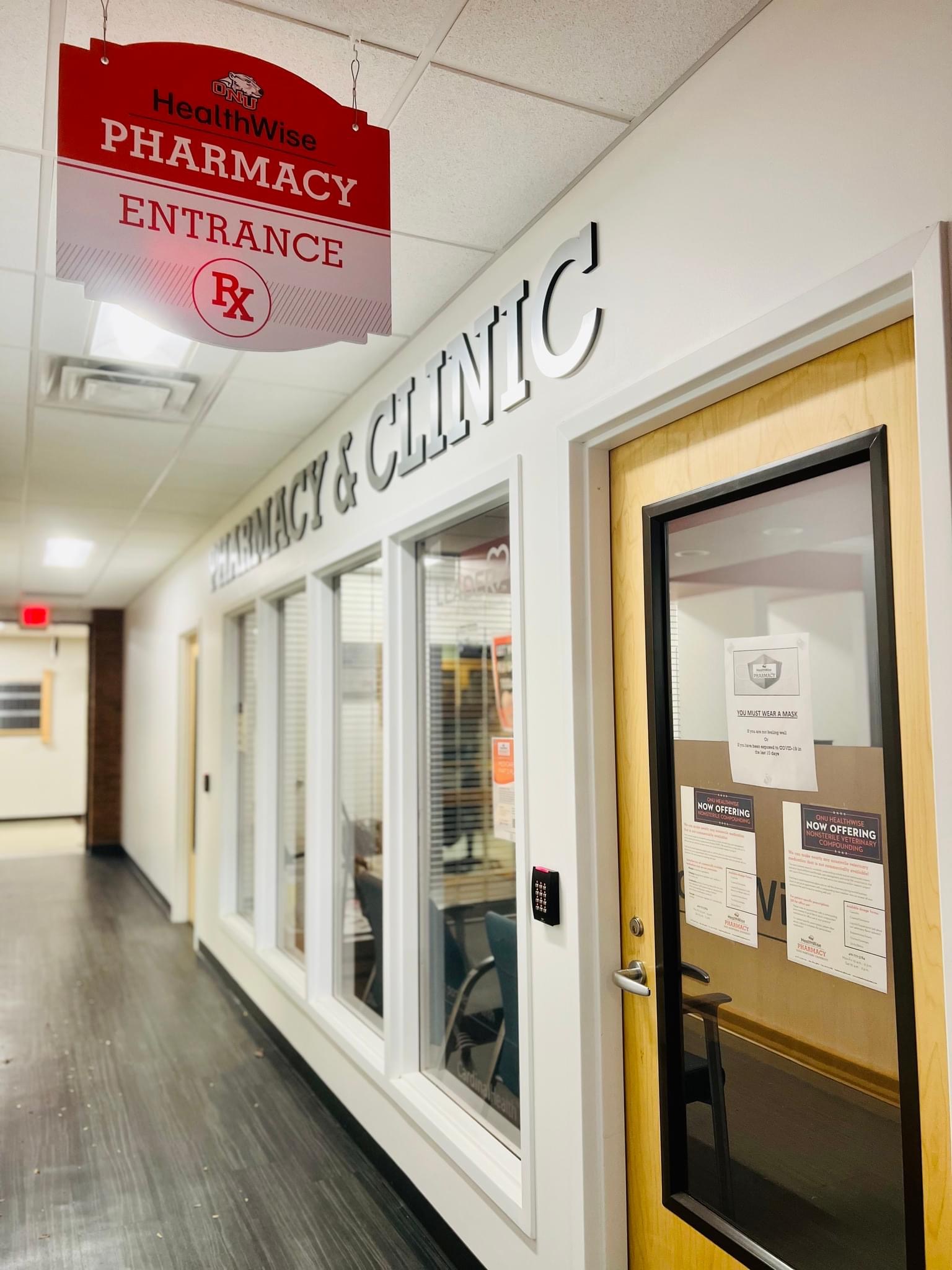
By Karen Kier, Pharmacist on behalf of the ONU HealthWise team
Elvis Presley released Heartbreak Hotel in January 1956. The song hit number one on the Billboard Top 100 and stayed there for 7 weeks. The crossover hit stayed at number one for seventeen weeks on the Country & Western charts. The song was inducted into the Grammy Hall of Fame in 1995. Many have covered the song, including a duet by Willie Nelson and Leon Russel.
Why the talk about heartbreaks during the most wonderful time of the year?
Early in my pharmacy career, I was working Christmas Day in the hospital emergency room. We had a patient come in with a heart condition, and the physician’s diagnosis was holiday heart. At first, I thought the physician was making a joke because we were both working a holiday, but then I realized he was serious.
There is such a thing as holiday heart or holiday heart syndrome. It was first identified by Dr. Philip Ettinger in 1978 to describe a heart condition involving a change in heart rhythm in healthy people without preexisting heart disease.
Holiday heart is when the heart starts to beat in an abnormal fashion and goes out of normal rhythm. The heart could beat too fast or hard and can feel like it is fluttering or jumping out of the chest. The heart could skip beats or have a very low pace (slow beat). This change in heart rhythm can result in weakness, anxiety, fainting, sweating, shortness of breath, or chest pain.
What causes holiday heart?
The number one risk factor is alcohol consumption related to drinking more than the individual’s usual or normal amount. The holidays can often be an invitation to a party or a meal where alcohol is served. It could just be the traditional eggnog with a spirit such as bourbon, rum, whiskey, or brandy. Those who drink alcohol on a more regular basis may drink more during the holidays. The increase in alcohol consumption can be a contributing factor.
A study in the Archives of Internal Medicine reported that 35% of new cases of atrial fibrillation (a fast and abnormal rhythm) were attributed to alcohol use. The study found 63% of the cases of atrial fibrillation in those under 65 years of age were due to alcohol. If these abnormal rhythms are not treated, they can result in heart attacks, strokes, and an enlarged heart muscle known as cardiomyopathy. Other risk factors include too much caffeine, overeating, increased salt intake with holiday meals, stress, and cold weather, which can increase the strain on the heart.
What impact can the colder weather and snow have on the heart?
Studies have documented it is related to a shift in temperature from warm to cold, then sustained cold. Another factor reported is dehydration not only from alcohol, but not drinking plenty of water during the holidays. Make sure to stay hydrated!
The American Heart Association reports that the most heart-related deaths occur on Christmas Day. The second-highest day is December 26. The third highest is New Year’s Day. More heart attacks occur in the United States between Christmas and New Year than any other week of the year. During other weeks of the year, Monday is the most common day of the week for heart attack admissions.
Another concern is that individuals who are experiencing symptoms of a heart problem will delay emergency care during the holidays because they do not want to ruin a family event. It is important to seek care as soon as symptoms start, because minutes matter when treating a heart condition. Time is critical for saving heart tissue!
Symptoms of a heart attack may present the same or can be different from an abnormal heart rhythm. Any chest pain, chest pressure, or discomfort lasting for more than a few minutes or that goes away but comes back should be considered. Sometimes, with large holiday meals, this could be attributed to heartburn or indigestion. If an acid reduction pill like famotidine (Pepcid or Zantac) or an antacid (Tums, Rolaids, Mylanta) does not relieve the indigestion, then seek medical help. Other symptoms can include shortness of breath, feeling unusually tired, nausea or vomiting, or feeling light-headed or dizzy. Go to the emergency room!
Women do not always display the classic chest pain signs seen in men having a heart attack. Women’s signs can be subtle and more easily ignored. Women are more likely to have back pain, indigestion, dizzy spells, and extreme fatigue (tired) compared to men. Heart disease is still the number one cause of death in the United States for both men and women.
It is important to take care of your heart during the holidays! Talk to your healthcare provider for more information on heart health.
Happy Holidays from the ONU HealthWise team!
If you are interested in more information, please contact ONU HealthWise Pharmacy at 419-722-3784.
◾️
Stories Posted This Week
Thursday, October 8, 2026
- Ada Icon headlines on Thursday, October 8
- St. John Bible Church to host "Refocus on Purpose" workshop
- Royal riches: Gout
- October 8 Bluffton Schools athletics lineup, streaming
- Has Bluffton made a birder out of you?
- BPL Afterschool activity: Curious Kids Club
- Book and pizza tasting at Bluffton Public Library
- Final 50 for 250 performance at BPL
- Walking through the Suter Corn Maze
- Resident feedback sought for Regional Transportation Plan
- Bluffton University honors three for service, achievement and leadership
Wednesday, October 7, 2026
Tuesday, October 6, 2026
- Bluffton Area Chamber of Commerce monthly meeting, Friday, Oct. 9
- Fire extinguished at SRK Industries, plant resumed operation same day
- Bluffton girls tie Grove in NWC showdown
- Pirate volleyball falls to powerhouse Patriots
- BHS GOAT: Latin teacher Margaret Weaver
- Library patrons invited to showcase their collections or causes
- September 2026 land transfers in the Bluffton school district
Monday, October 5, 2026
Sunday, October 4, 2026
- Bluffton Fire Dept. extricates passenger following I-75 crash
- Crumrine leads October 8 Watercolor Workshop
- MCHO opportunities to trick or treat, donate candy
- ALA Banned Books Week
- Pirate boys soccer blanked by Celina
- Hancock Public Health confirms measles case in Findlay
- Timeline for October 10 Dillinger robbery reenactment and motorcycle show