






















Time in a Bottle: Biologic aging versus our actual age

By James D. Stager, Student Pharmacist and Karen Kier, Pharmacist
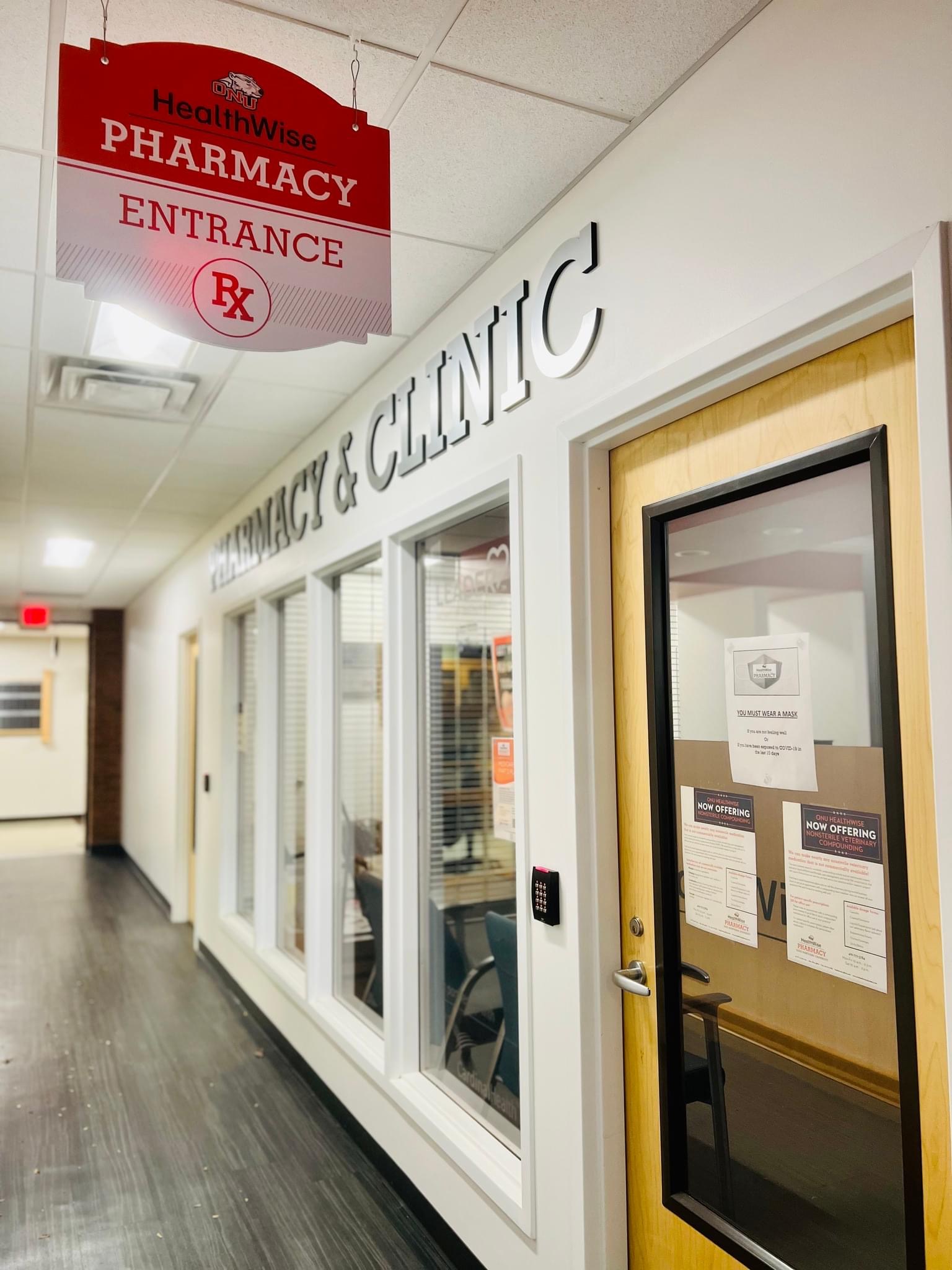
On behalf of the ONU HealthWise team
In 1973, Jim Croce released his album titled You Don’t Mess Around with Jim. The album contained his second number one hit, “Time in a Bottle.” Unfortunately, this song hit the charts after his tragic death in a plane crash in 1973 in Louisiana after performing a concert. Jim Croce’s son A. J. would turn 2 years old eight days after his father’s death. As an adult, A. J. pays tribute to his dad with his 2026 tour, which is called Croce Plays Croce.
Aging is a decline in physiologic function with an increased risk of developing chronic diseases such as heart disease or diabetes. Our aging process is influenced by our inherited genes, our environment, and our lifestyle habits. Chronologic age–our age from birth– is measured in years from our birthday or our actual age in years, months and days. This is in contrast to our physiologic or biologic age, which is measured by the function of our cells and varies from individual to individual. Some of us may have a physiologic age that is lower than our actual age, while some may have a physiologic age greater than their chronological age.
As we age, our cells may stop dividing, which is not normal; this is known as cellular senescence. Various stressors on the body, such as age, inflammation and diseases, can damage our DNA and change our cell processes. This damage causes normal cells to become what is known as zombie cells, and they lack normal function, resulting in aging.
After the landmark study in 2013 by UCLA Professor Steve Horvath, the science of medical longevity was established. Scientists were able to find ways to measure our biologic or physiologic age by a simple cheek swab. Several commercial kits are available to measure your biologic age. Some websites have evaluated the kits for advantages and disadvantages. These sources often promote products after you receive your results.
One might wonder if there are ways to stay healthier or slow aging as we get older. While we cannot stop the passage of time, researchers are studying whether certain lifestyle habits may help our bodies age more slowly. This concept is known as biological aging, which refers to how well our bodies function compared to our actual age.
In a study published in Nature Aging in 2025, researchers examined whether omega-3 fatty acid supplements, vitamin D supplements, and regular exercise could help support healthy aging in adults aged 70 years and older. More than 2,000 participants from five European countries were assigned to receive omega-3 supplements (1 gram/day), vitamin D supplements (2,000 international units/day), a home exercise program, or a combination of these interventions. Researchers conducted additional DNA testing in a subgroup of roughly 800 Swiss participants to estimate biological age using specialized measurements known as epigenetic clocks (cheek swab and test). With this data, researchers could study differences in the accumulation of biological age compared to actual age among the study participants.
As per the results from the trial, the possibility of these products and exercise lessened biological aging. Some changes noted in the study were decreased infection rates and fall risk (instability), along with decreasing rates of weakness/frailty and cancer development. Due to possible conflicts in data and high interest in this field, additional research is necessary to continue to gather the best evidence.
We can extend our biological lifetime via other evidence-based methods. Regular physical activity/exercise and high-quality sleep are excellent ways of bettering our health. Likewise, proper dieting and reducing our intake of ultra-processed foods or sugary drinks can benefit us. Removing things like alcohol, caffeine or fatty foods from our diet is often considered beneficial. Early diagnosis and treatment of chronic disease can help increase our longevity and wellness, thus benefiting our biological age.
Before starting any new supplement or medication, talk with your pharmacist or healthcare provider to determine whether it is appropriate for you.
Put time in the bottle and adopt some healthy habits to improve biologic aging!
Stories Posted This Week
Friday, October 9, 2026
- Pirate girls soccer loss vs. St. Marys
- Pirate volleyball sweeps Carey
- “The Trumpet Player” sculpture at Bluffton University receives conservation grant
- October 9 Bluffton Schools athletics lineup, streaming
- Plenty of action at Oct 10 Dillinger robbery reenactment and motorcycle show
- Caitlyn Couch junior piano recital, October 16
- Bluffton community survey opens for Active Transportation Plan
Thursday, October 8, 2026
- Ada Icon headlines on Thursday, October 8
- St. John Bible Church to host "Refocus on Purpose" workshop
- Royal riches: Gout
- Has Bluffton made a birder out of you?
- BPL Afterschool activity: Curious Kids Club
- Book and pizza tasting at Bluffton Public Library
- Final 50 for 250 performance at BPL
- Walking through the Suter Corn Maze
- Resident feedback sought for Regional Transportation Plan
- Bluffton University honors three for service, achievement and leadership
Wednesday, October 7, 2026
Tuesday, October 6, 2026
- Bluffton Area Chamber of Commerce monthly meeting, Friday, Oct. 9
- Fire extinguished at SRK Industries, plant resumed operation same day
- Bluffton girls tie Grove in NWC showdown
- Pirate volleyball falls to powerhouse Patriots
- BHS GOAT: Latin teacher Margaret Weaver
- Library patrons invited to showcase their collections or causes
- September 2026 land transfers in the Bluffton school district