






















Weekend Doctor: Early breast cancer detection matters

October is Breast Cancer Awareness Month
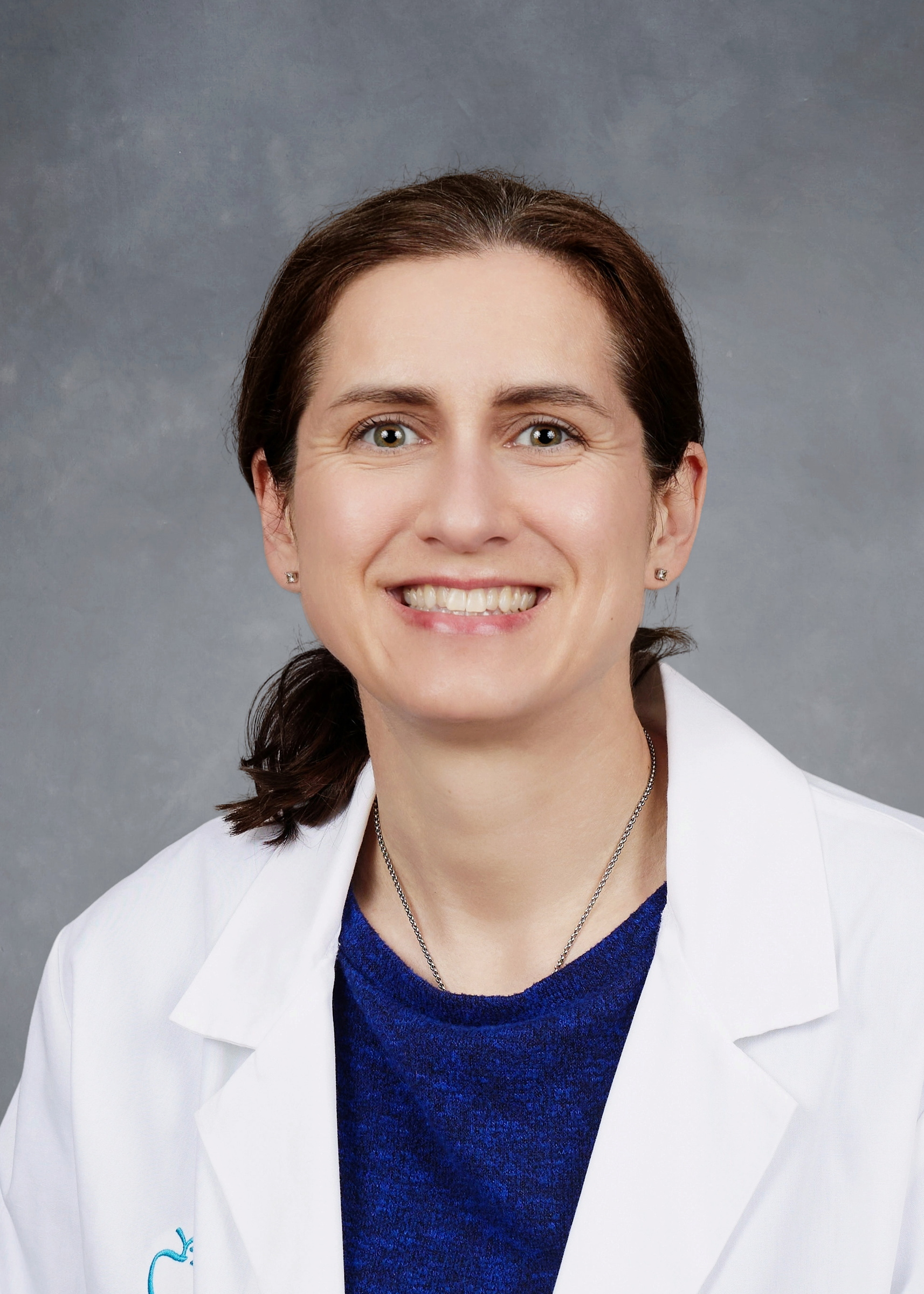
By Cara Whiteman, DO
Diagnostic Radiology, Blanchard Valley Hospital
MEDIA RELEASE__Breast cancer is one of the most common cancers affecting women, but advancements in screening and treatment have made an important difference in outcomes. I encourage women to understand their breast health and make routine screening part of their overall preventive care.
When breast cancer is found early, it is often smaller and may not have spread beyond the breast. In some cases, finding cancer at an earlier stage may also mean that less extensive treatment is needed, and that more treatment options are available. This means that outcomes are often better for breast cancer that is detected early on. That is why breast self-awareness and routine breast cancer screening are so important.
The first step of breast health is understanding what is normal for you. Breast self-awareness means becoming familiar with how your breasts look and feel, so you are more likely to recognize any changes that may occur. Pay attention to a new lump or thickening, changes in the size or shape of a breast, dimpling or puckering of the skin, nipple changes or discharge, or any persistent changes that are unusual for you. While many breast changes are not cancer, they should still be discussed with a healthcare provider.
While staying aware of any changes to your breasts is vital, advanced screening tools like mammograms can detect breast cancer before changes can be seen or felt. A mammogram is a low-dose X-ray of the breast that can identify abnormal tissue structures, which may be breast cancer.
You do not need to have symptoms or a family history of breast cancer to benefit from screening. For women at average risk, many medical organizations recommend beginning regular mammograms at age 40. How often you should have a mammogram can depend on your age, personal health history, and individual risk factors. Women with a strong family history of breast or ovarian cancer, certain genetic factors, previous breast conditions, or other risk factors may need to begin screening earlier or have additional testing. Your healthcare provider can help you determine the screening schedule that is right for you.
October is Breast Cancer Awareness Month, which is a good reminder to check in on your health. If you are due for a mammogram, schedule it. If you have noticed a change, talk with your provider. And if you are unsure when to begin screening, start that conversation at your next appointment.
Early detection cannot prevent breast cancer, but it can give us an important advantage: the opportunity to find it sooner, when treatment may be most effective. Regular screenings are essential for early diagnosis and improved outcomes.
Stories Posted This Week
Saturday, October 31, 2026
Friday, October 30, 2026
- Main St. runway for Trick or Treaters
- October 30 Bluffton Schools athletics lineup, streaming
- What Kind of Paradise author joins book club by Zoom, Nov. 4
- Check out November 2026 events at Bluffton Public Library
- Scarecrow voting ends at midnight, Oct. 31
- Annual meeting and dinner for Senior Center members, November 9
- November 2026 Community Meals at the Senior Center
- Pirate girls soccer edged in shootout by Big Green in district final
Thursday, October 29, 2026
- Ada Icon headlines, October 29
- Bluffton chamber welcomes six new members in October 2026
- Scam talk with Chief Ryan Burkholder
- Apollo Career Center honored as Gold Star Institution
- Peanut brittle time at the Senior Center begins Nov. 9
- Bluffton University Forum explores faith, hope and care for creation
- Business Collective networking night, Nov. 5
- Radio play staging of It's a Wonderful Life on Nov. 29
- Test-to-Treat not Trick-or-Treat
- If only we could put these fall days on pause