






















Lead Poisoning: What You Need to Know

This story provided by Ohio Northern University HealthWise Pharmacy.
Around 3.6 million families in the United States are at risk of exposure to lead, according to the Centers for Disease Control and Prevention (CDC). Here's what you need to know.
Exposure to lead can cause serious health problems — especially in children. Read on for more information about lead exposure and how to prevent lead poisoning.
What Is Lead Poisoning?
Lead poisoning occurs when you have too much lead in your body at one time. Lead can build up in the body from exposure for years.
While lead is dangerous for everyone, children are particularly at risk. Symptoms of lead poisoning include irritability, developmental delays, stomach pain and neurologic changes. The neurological effects of lead exposure are irreversible, according to the CDC.
In extreme cases, lead exposure can even be fatal.
What Causes Lead Exposure?
The most common cause of lead exposure and lead poisoning is lead-based paint. According to the Mayo Clinic, lead paint was banned in the US in 1978, but homes built before this time can put families — especially young children — at risk. The dust from lead-based paint can lead to exposure, and lead poisoning is often the result of children eating paint chips.
Lead exposure can also affect people who work with metals, such as welders. Lead can enter tap water through old or deteriorated pipes, and some toys from certain countries may contain lead. Contaminated soil is another common source of lead exposure.
How Can I Avoid Lead Exposure?
To prevent lead exposure, the most important thing is to avoid known sources of lead. If your home was built before 1978, ask the landlord or previous owner whether the home has been tested for lead paint. In many states, lead paint disclosures are legally required.
The Mayo Clinic offers the following steps to avoid lead exposure:
- If your home has lead-based paint, routinely check for peeling paint and avoid sanding or other activities that can create paint dust.
- Clean dusty surfaces with a damp cloth to remove any potential lead-based paint dust.
- Wash your children's hands and toys regularly.
- If your home has older plumbing or lead pipes, run the cold water for at least one minute before using the water. Also, don't mix baby formula or cook with tap water.
- Remove your shoes before coming inside to avoid tracking in lead-contaminated soil.
- Maintain a healthy diet to reduce lead absorption. Proper iron, vitamin C and calcium levels in children can help stop lead from getting absorbed.
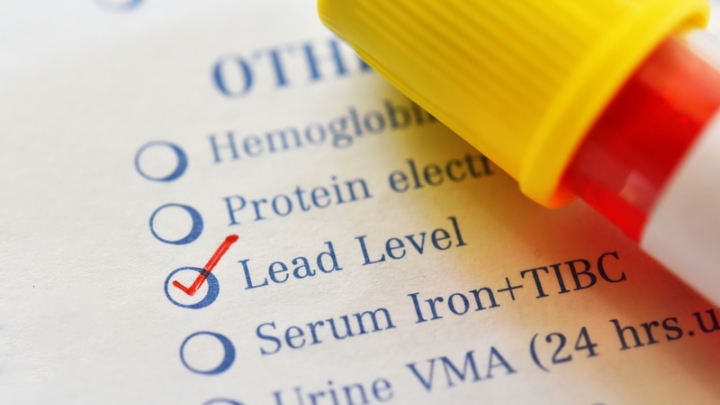
If you are concerned that you or your child might have been exposed to lead, talk to your health care provider. Your doctor may be able to provide a blood test to determine whether you or your child have been exposed to lead.
Stories Posted This Week
Thursday, October 29, 2026
- Bluffton chamber welcomes six new members in October 2026
- Scam talk with Chief Ryan Burkholder
- Apollo Career Center honored as Gold Star Institution
- Peanut brittle time at the Senior Center begins Nov. 9
- Bluffton University Forum explores faith, hope and care for creation
- Business Collective networking night, Nov. 5
- Radio play staging of It's a Wonderful Life on Nov. 29
- Test-to-Treat not Trick-or-Treat
- If only we could put these fall days on pause
Wednesday, October 28, 2026
Tuesday, October 27, 2026
Monday, October 26, 2026
- Beavers sports roundup, October 19-25
- Ada Icon headlines, October 26
- November 13 fish fry at Emmanuel UCC
- Citizens National Bank customer appreciation day, October 30
- Bluffton University offers free agricultural and environmental field trips
- Trinity Trunk or Treat, October 31
- Public invited to Bluffton Lions program with President Sider