






















Weekend Doctor: Toddler snack tactics

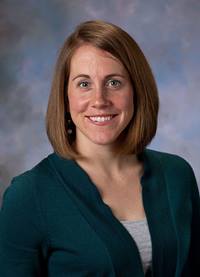
By Ericca Lovegrove, RD, LD
Center for Healthy Weight and Nutrition
Nationwide Children’s Hospital
For toddlers, snacking is a very important part of the day. Unlike adults, they need to eat more frequently to maintain their energy levels. Healthy snacks help control toddler hunger while providing a nutritious boost, but how can parents ensure their little ones will still be hungry for dinner after a day of snacking? Here are some tips to help structure your toddler’s diet and not spoil their dinners.
A solid tactic for appropriate nutrition involves timing. Scheduling snacks around meals gives toddlers structure throughout their day, as they learn when to expect to eat and can look forward to a chance to eat again. An interval of every two and a half to three hours is recommended for the time between eating, and it’s important to include sufficient water intake during those intervals to keep your child hydrated (often, kids will confuse dehydration with hunger).
When it comes to preparing snacks for your toddler, it’s important to think of them as mini meals by trying to keep them between 100 and 200 calories. The best snacks pair a protein with a high fiber choice. Protein is what takes our bodies the longest to digest, so it’s perfect for keeping kids full during the suggested intervals. Some great snack options include Greek yogurt, fruit, veggies and hummus, cheese sticks, peanut butter, meat/deli meat and eggs.
To help guide your kids in the right direction, be mindful of snacks commonly marketed towards children. Things like fruit snacks, chips, cookies, granola bars and cereals are simple carbohydrates with a higher sugar content that tend to digest quickly and leave kids still hungry.
How often do your kids ask for snacks an hour before dinner, or while dinner is being prepared? Try offering a “no pressure plate” full of vegetables and fruits to allow your child to consume nutrient-dense foods that will help to fill them up, but not leave them too full for dinner. This is a great way to encourage healthy eating and have children recognize their hunger levels. Often, these are not the preferred foods your child would ask for, so they may opt-out. However, that likely means they weren’t quite hungry yet and will eat more during the meal.
By selecting the right foods and maintaining a structured schedule for your toddler’s diet, they will be energetic, well-fed and hungry…just in time for dinner.
*Through a collaboration between Blanchard Valley Health System and Nationwide Children’s Hospital, the content of this article was provided courtesy of Nationwide’s 700 Children’s® blog by pediatric experts.
Stories Posted This Week
Sunday, October 25, 2026
Saturday, October 24, 2026
- Ada Icon headlines, October 24
- Are you a friend of the Bluffton Public Library?
- Weekend Doctor: What you need to know about flu season
- Courtney Linke joins CNB as VP Business Banking Officer
- Blanchard Valley Health System Announces Updates to Board of Trustees
- Blanchard Valley Health Foundation Announces Changes to Board of Directors
Friday, October 23, 2026
- Village of Bluffton announces late afternoon drill at Bluffton Schools, October 23
- October 23 Bluffton Schools athletics lineup, streaming
- Pirate volleyball eliminated in sectionals by Archbold
- Pirate boys soccer knocked off by Bath
- Main St. closure rescheduled; parapet work to take place Oct. 27
- Bluffton student to reflect on diabetes research experience
- Bluffton University receives $8,000 Stinner Summit award for youth agricultural and environmental education
- Elections matter, including midterms
Thursday, October 22, 2026
- Ada Icon headlines, October 22
- ICAPP study: Ohioans strongly oppose data center expansion and tax breaks
- Pirate girls soccer ousts rival Allen East in sectionals
- Strawberry Fields Forever: Fruit polyphenols and brain health
- Last call for Bluffton Cars & Coffee for 2026
- Icon calendar gets a little more elbow room
- Bluffton Board of Education recap: Contracts for coaches and new bus driver
- Bluffton Lions Club update for October 2026
- Bluffton chamber photo competition display and reception announced
- Bluejays and buzzards catch the eye of this Accounting prof
Wednesday, October 21, 2026
- Ada Icon headlines, October 21
- Village of Beaverdam requests suggestions for park grant application
- Charles “Chuck” Wendall Collins, 63, owned Eagle Press Repairs
- Dwain L. Leiber, 87, owned Leiber Garage
- Kimberly Dawn Murphy, 55, taught at Findlay City Schools
- Kaleidoscope Farms honoring veterans, thanking current troops, Nov. 8
- Filmmaker to preview documentary exploring life beyond incarceration
- ONU mobile health clinic at Senior Center on Oct. 28