






















Weekend Doctor: Sleepwalking

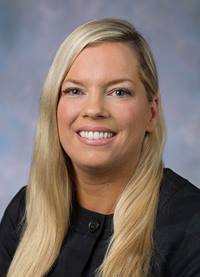
By Emily Decker, MD
Primary Care Pediatrics, Nationwide Children’s Hospital
Sleepwalking happens when a child is asleep but does activities such as sitting up, getting out of bed, eating, or even getting dressed. Those activities could last a few seconds to a half hour–and the child will usually never remember they did it. It usually happens within the first couple hours of a child falling asleep.
Sleep talking happens when a child talks in their sleep–either words and sounds that make no sense, or a normal conversation–and they usually don’t remember it happening.
Sleepwalking and talking usually go away by the teen years. Up to 15 percent of children between the ages of five and 16 sleepwalk. The most common trigger is being overtired.
Children are more likely to talk in their sleep and can outgrow it as they age. As children get older, sleep talking episodes usually decrease and can happen once every few months or so. They are most common in kids ages two to 12.
Sleepwalking can be caused by many things, such as lack of sleep or going to bed late, illness or stress, noisy or new environment, certain medications and sleeping with a full bladder.
The causes of sleep talking are not as well-known but could include sleep deprivation, genetics (sleep talking can run in the family), mental health conditions, fever or illness.
In most cases, sleepwalking needs no treatment. Episodes are typically rare, and there is little to no risk for the child experiencing it. Children usually outgrow sleepwalking.
If sleepwalking continues, there are a few things you can do to help your child. Try to reduce any safety concerns by removing trip hazards, closing and locking doors and keeping dangerous objects out of reach. You can also put a gate on stairs and close windows. Make sure your child has a consistent bedtime routine and is getting enough sleep and reduce screen time if needed.
Sometimes, a child’s sleepwalking can be linked to other underlying conditions or disorders. If this is the case, treating those conditions may help to resolve the sleepwalking episodes. If you believe this is the case for your child, contact your doctor.
Gently guide your child back to bed, but do not try to wake them up or startle them. This could further disrupt sleep, prolong the episode and cause fear. Speaking calmly and quietly can help your child. Also, try not to let them feel ashamed, since this is normal in childhood.
Unlike sleepwalking, the cause of sleep talking is not as well understood and there is limited knowledge on how to prevent it. However, sleep talking episodes don’t happen often, and usually don’t disturb sleep, so treatment or intervention is typically not needed.
There are a few things you can do to help your child stop talking in their sleep. These include keeping a consistent sleep schedule for your child (even on the weekends); giving children some time to relax before bed and put away all electronic devices at least a half-hour before bedtime; creating a dark, comfortable, distraction-free sleep space for your child; finding time for your children to be physically active throughout the day and avoiding caffeine.
Call a doctor or health care provider if the episodes become more and more frequent, your child has nighttime snoring, episodes last beyond puberty, you think stress, anxiety, worry or trauma may be causing sleep problems or your child does something dangerous during an episode or has atypical or violent episodes.
Through a collaboration between Blanchard Valley Health System and Nationwide Children’s Hospital, the content of this article was provided courtesy of Nationwide’s 700 Children’s® blog by pediatric experts.
Stories Posted This Week
Saturday, October 24, 2026
- Are you a friend of the Bluffton Public Library?
- Weekend Doctor: What you need to know about flu season
- Courtney Linke joins CNB as VP Business Banking Officer
- Blanchard Valley Health System Announces Updates to Board of Trustees
- Blanchard Valley Health Foundation Announces Changes to Board of Directors
Friday, October 23, 2026
- Village of Bluffton announces late afternoon drill at Bluffton Schools, October 23
- October 23 Bluffton Schools athletics lineup, streaming
- Pirate volleyball eliminated in sectionals by Archbold
- Pirate boys soccer knocked off by Bath
- Main St. closure rescheduled; parapet work to take place Oct. 27
- Bluffton student to reflect on diabetes research experience
- Bluffton University receives $8,000 Stinner Summit award for youth agricultural and environmental education
- Elections matter, including midterms
Thursday, October 22, 2026
- Ada Icon headlines, October 22
- ICAPP study: Ohioans strongly oppose data center expansion and tax breaks
- Pirate girls soccer ousts rival Allen East in sectionals
- Strawberry Fields Forever: Fruit polyphenols and brain health
- Last call for Bluffton Cars & Coffee for 2026
- Icon calendar gets a little more elbow room
- Bluffton Board of Education recap: Contracts for coaches and new bus driver
- Bluffton Lions Club update for October 2026
- Bluffton chamber photo competition display and reception announced
- Bluejays and buzzards catch the eye of this Accounting prof
Wednesday, October 21, 2026
- Ada Icon headlines, October 21
- Village of Beaverdam requests suggestions for park grant application
- Charles “Chuck” Wendall Collins, 63, owned Eagle Press Repairs
- Dwain L. Leiber, 87, owned Leiber Garage
- Kimberly Dawn Murphy, 55, taught at Findlay City Schools
- Kaleidoscope Farms honoring veterans, thanking current troops, Nov. 8
- Filmmaker to preview documentary exploring life beyond incarceration
- ONU mobile health clinic at Senior Center on Oct. 28
Tuesday, October 20, 2026
- Columbus Grove-Bluffton Rd. closure planned for up to three weeks
- Two Pirate volleyball players make 1st team All-NWC
- 3 Pirate girls 1st team All-NWC soccer
- Pirates dominate All-NWC boys soccer awards
- Local filmmaker focuses on memories made by people and places
- Bluffton Public Library: Medicare 101
- BHS artists prepare Yankee Doodle Christmas Trees for Jingle Bell Stroll