






















The weekend doctor

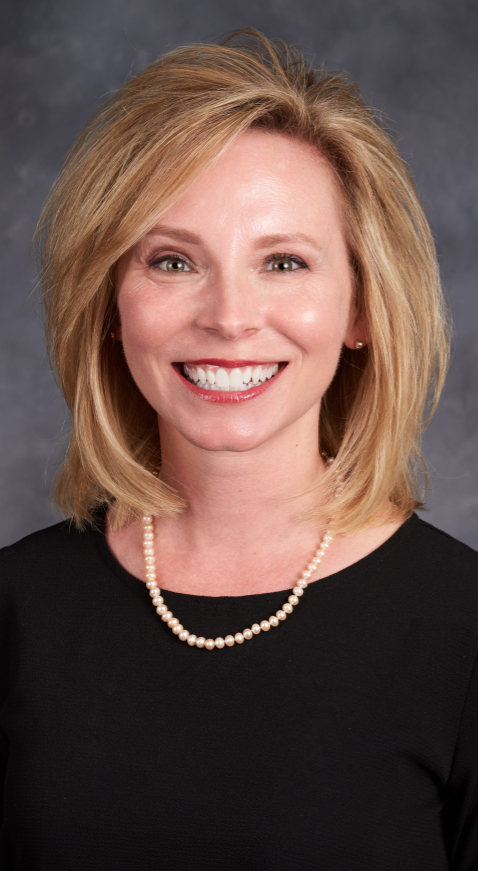
By Brenda Waltz, M.S. CCC-SLP
Speech-Language Pathologist
Julie A. Cole Rehab & Sports Medicine
Speech delay is a broad term used for children who begin speaking later than usual. Each child is different and will learn speech and language skills at his or her own rate. Below is a speech and language guideline typical for children ages 1-3 years:
1 year: Most children begin speaking at approximately one year of age. A child’s first words usually consist of “mama,” “dada” and other nouns such as pet names, foods or toys. Children can wave goodbye, play pat-a-cake, understand “no” and follow simple directions.
1.5 years: Most children begin using 10-20 words, including names of people. They also begin recognizing pictures of familiar people or objects, pointing to their eyes, nose and toes, and humming or singing simple songs.
2 years: Most children have a vocabulary of around 300 words and use 2-3 word sentences. They begin referring to themselves by name, carrying on a “conversation” with themselves and dolls, and naming people and objects in pictures. Additionally, children begin listening to stories with pictures more attentively and can remain with an activity for 6-7 minutes.
2.5 years: At this stage, most children have a vocabulary of 450 words. They can tell others their first name, use past tense and plural nouns and speak to other children as well as adults. Further, children now understand the difference between “big” and “little” and can match 3-4 colors, answer “where” questions, and hold up fingers to tell someone their age.
3 years: By now, most children have a vocabulary of nearly 1,000 words and use 3-4 word sentences. They can match primary colors and name at least one color, understand the difference between night and day, and comprehend time concepts such as “yesterday,” “summer” and “lunchtime.” Children at this stage can remain attentive during an activity for 8-9 minutes, and they can usually sing songs.
If your child appears to be behind according to these benchmarks, he or she may be experiencing speech delay. If you suspect this, contact your child’s provider.
You may be referred to a speech-language pathologist for speech therapy. During speech therapy sessions, speech-language pathologists use play strategies to help children develop speech and language skills. Speech-language pathologists can also provide you with ideas on how to practice speech and language development at home with your child, such as:
• Read colorful books to your child regularly, preferably every day
• Use short sentences (1-3 words long) when speaking with your child
• Talk to your child about what you are doing
• Talk to your child about what he or she is doing
• Sing songs or say nursery rhymes with your child
• Imitate and identify sounds in your surroundings with your child
• Look at your child when he or she talks to you
• Praise your child’s speaking effort
Ask your provider today if speech therapy is right for your child.
Stories Posted This Week
Tuesday, October 20, 2026
- Columbus Grove-Bluffton Rd. closure planned for up to three weeks
- Two Pirate volleyball players make 1st team All-NWC
- 3 Pirate girls 1st team All-NWC soccer
- Pirates dominate All-NWC boys soccer awards
- Local filmmaker focuses on memories made by people and places
- Bluffton Public Library: Medicare 101
- BHS artists prepare Yankee Doodle Christmas Trees for Jingle Bell Stroll
Monday, October 19, 2026
- Beavers sports roundup, October 14-18
- Ada Icon headlines, October 19
- JessExpress Travel is the Icon's newest advertiser
- Gatchel 7th in girls, Pirates 4th at NWC cross country meet
- Veterans invited to Pandora-Gilboa banquet, November 10
- October 19 Bluffton Schools athletics lineup, streaming
- Wearable sculptures featured in exhibit On Soft Ground
- Historic depot rentals offered for meetings and parties
Sunday, October 18, 2026
Saturday, October 17, 2026
Friday, October 16, 2026
- Production offers a modern take on the story of St. Clare of Assisi
- Bluffton volleyball edged in 5 by Van Buren
- Pirate girls soccer tie O-G
- Bluffton Council recap: Officers honored for 25 years of service
- Bluffton Clean Up teams up with Troop 3256 Cub Scouts
- Ada FFA: Feeding the Farmers
- Nov. 7 Fall Community Day at Bluffton University
- Quarry Farm Nature Preserve news for Fall 2026