






















Weekend Doctor: Midwifery

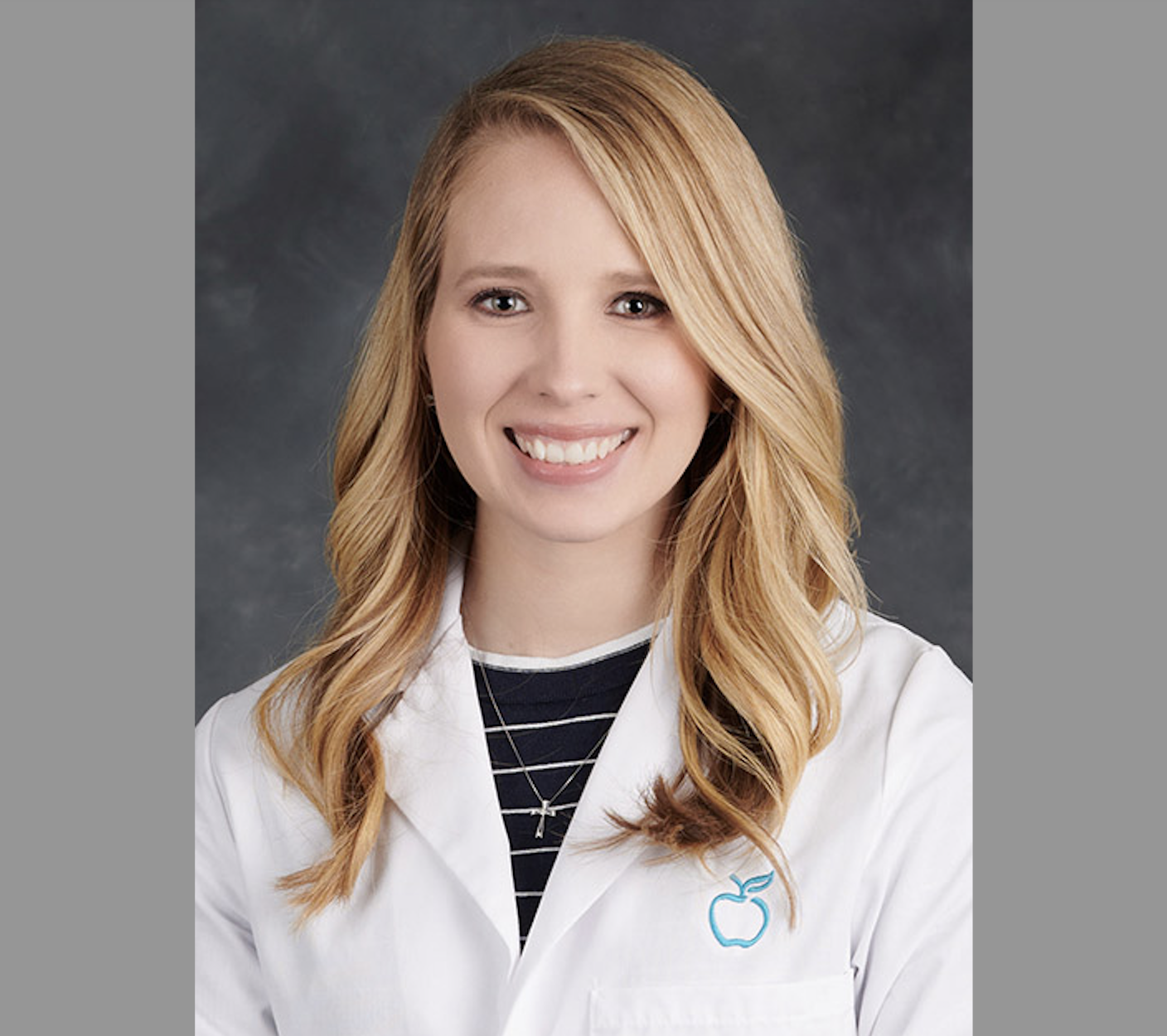
By Missy Moore, APRN-CNM, APRN-CNP
Midwifery, Blanchard Valley Obstetrics & Gynecology
Although midwives have been around for hundreds of years, the term midwife is one that not many are able to clearly define. There is often confusion surrounding the many types of midwives and the span of roles a midwife might play.
Certified Nurse-Midwives (CNM) are highly trained providers who first are educated and trained as registered nurses, then choose to attend accredited universities, followed by passing a midwifery board-certified examination. CNMs also must maintain their licensures every five years by completing a number of continuing education requirements. In Ohio, CNMs work in collaboration with physicians and deliver babies in hospitals and birth centers. In contrast, lay midwives learn their skills through apprenticeship and are not legally recognized by the state they practice in and deliver babies in homes.
Certified Nurse-Midwife is the profession to which the term “midwife” in this article is referring. Midwifery is a profession of individuals who provide healthcare for women across their lifespan, specializing in obstetric and gynecologic care, including pubertal and menopausal concerns, annual preventative appointments, contraception or sexual health concerns, and reproductive concerns. However, midwives are most widely known for their role in delivering babies.
Regarding labor and delivery, midwives are trained in non-intervention and watchful waiting and also specialize in nonpharmacological methods of pain relief like hydrotherapy, massage, and movement and repositioning. They also promote maternal-fetal bonding in all safe circumstances and often are competent in providing some lactation aid as well.
Mostly, midwives attend normal or low-risk deliveries but are capable of anticipating problems when possible, treating certain complications, and deferring to a physician when necessary. Midwives do not perform cesarean deliveries or assistive deliveries with the use of vacuum or forceps. They do, however, share a collaborative relationship with their physician colleagues who are readily available to them when situations arise that are beyond the scope of a midwife.
What is unique about midwives is their philosophy of care. Midwives believe that women are powerful and strong, and their health is important not only to the individual but also to the well-being of their families and communities. They also support basic human rights for everyone and feel that the normalcy of lifecycle events, like pregnancy, should be honored. Compassionate health care, which is a partnership between midwife and patient, is a gold standard of midwifery care.
Midwives also acknowledge that working with other healthcare professionals helps promote optimal care and that lifelong learning and development as providers are critical to competent and ethical practice.
Midwifery care has also been associated with decreased cesarean section rates and increased breastfeeding rates.
Stories Posted This Week
Wednesday, October 14, 2026
- October 14 Bluffton Schools athletics lineup, streaming
- Pirate boys soccer beats Wapak in regular season finale
- Pirate girls soccer defeats Liberty Center
- Mennonite pastor to explore ‘good news’ in creation
- Bluffton University earns recognition in U.S. News & World Report rankings
- Obituary for Deborah "Debbie" Welch, 74
- Spirits and exorcism presentation during University Spiritual Life Week Forum
- Dodging bullets: Bluffton oral history 90+ years after Dillinger robbery
- Nora Matthews named BHS Student of the Month for September 2026
- ICAPP analysis on charter status and local autonomy
Tuesday, October 13, 2026
- Ada Icon headlines, October 13
- Bluffton area Women in Business meeting October 15
- Leo club glasses collection
- Night at the (Swiss Historical) Museum, October 24
- Woodcarving ornament workshop at Swiss Heritage Center
- Barefoot nature walks at the Nature Preserve
- Pirate volleyball seeded 4th
- Beavers sports roundup, October 6-11
- Bluffton leaf pickup scheduled for last week of October
- Pirate boys soccer shuts out Bellefontaine
- Watch an after school movie at the Bluffton Public Library
- Dunlap awarded OSBA humanitarian award