





















Baby Don’t Get Hooked on Me: Caffeine and youth

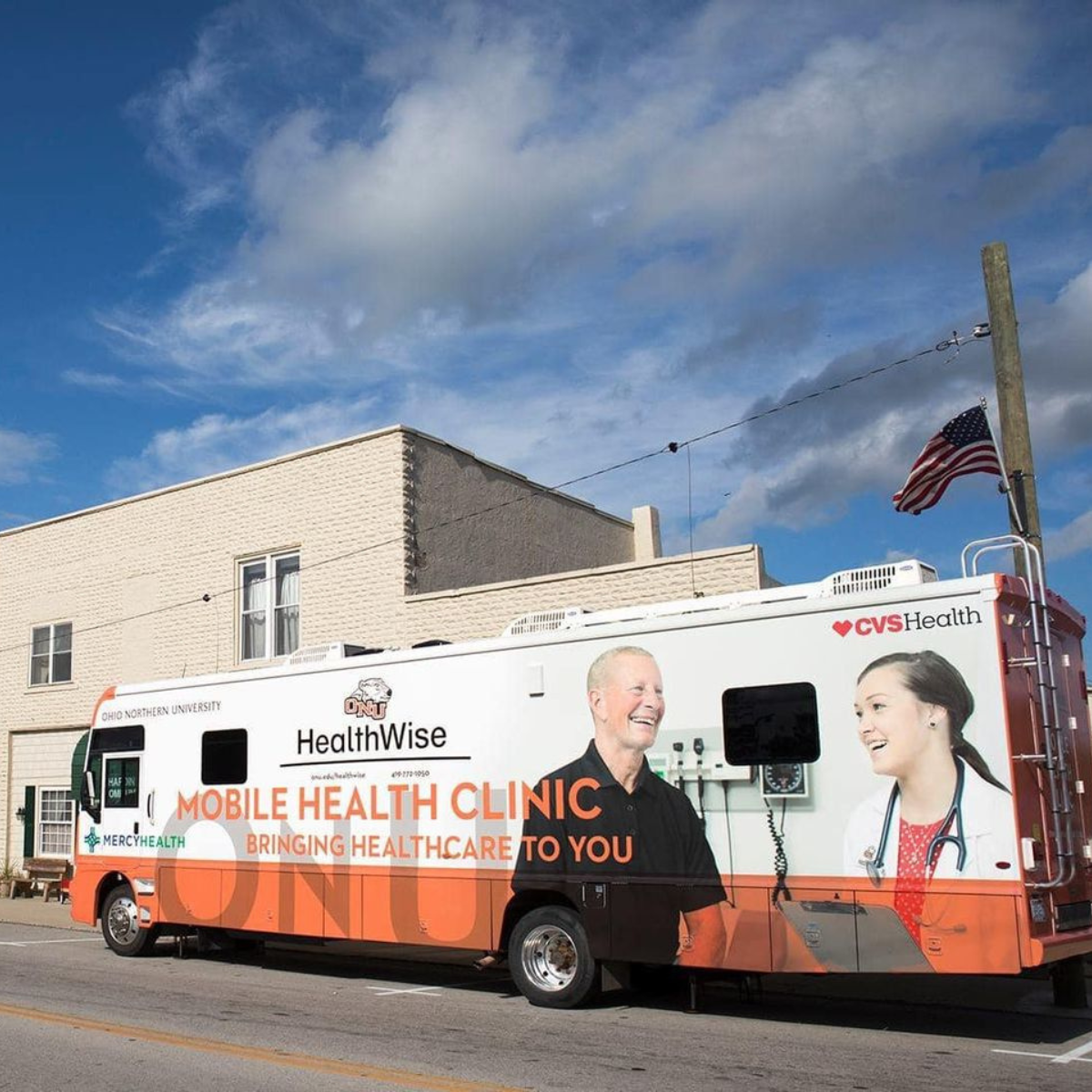
By Scott Daley, Student Pharmacist and Karen L. Kier, Pharmacist on behalf of the ONU Healthwise Team
On March 1, 1972, Mac Davis recorded Baby Don’t Get Hooked on Me and the song hit number one on the Billboard Hot 100 and the Easy Listening Hot 100. The song was part of an episode on The Muppet Show hosted by Davis. Many may not realize how successful Mac Davis was as a songwriter before he became a performer in his own right. He is famous for writing songs for Elvis such as Memories, In the Ghetto and A Little Less Conversation.
You can get hooked on caffeine and the latest research is not good for our youth.
Prime, Bang, C4, Fast Twitch, Alani, Celcius, Dunkin and Starbucks are just a few of the popular drink brands giving teens and young adults too much caffeine. As these brands market to a younger audience and grow profits every year, the research surrounding their consumption has some pretty serious consequences. To understand why we should not be giving our children these drinks, we need to look at the effect caffeine has on the brain and how that affects our day to day behavior. READ MORE
Caffeine is a stimulant affecting the brain just like other psychoactive substances. Caffeine use in teens has shown an increase in depression and more angry or violent moods. Unfortunately, caffeine use is associated with the abuse of other substances. Those who use caffeine in excess are more likely to be addicted to nicotine, tobacco, e-cigarettes and other substances.
Most of the energy and coffee drinks can have an average of 80 milligrams (mg) up to 200 mg of caffeine in them. For reference, the average 12-ounce soda has around 20-40 mg and a cup of coffee between 80-100 mg. With these drinks providing not just caffeine, but great taste, they attract young people to drink more than one each and every day.
The concern is the addiction potential of caffeine. With the overuse of caffeine, one can develop caffeine use disorder and become tolerant to lower doses, which requires higher levels of caffeine to achieve the same feeling. This is why these high levels can result in addiction and behavior seeking more and more caffeine. In someone who has become addicted to caffeine, they can see withdrawal symptoms when caffeine is no longer present each day. These symptoms include severe headaches, muscle aches, nausea, tremors, lack of concentration, irritability and being tired. These symptoms can last for up to 10 days.
The Young Mountaineer Health Study published in the Journal of Adolescence presented some alarming impacts from the use of caffeine by middle school students. The study evaluated middle school children in 20 different West Virginia schools. The researchers determined if students were consuming more than 100 mg of caffeine a day, less than 100 mg per day or they had no daily use of caffeine. The study recorded teacher-observed self-control in the classroom as well as problem behavior without the teachers knowing the students’ caffeine use.
The study was conducted twice exactly 12 months apart. The researchers controlled for issues independent of caffeine use that could affect behavioral issues. The researchers found a significant trend with over 100 mg of caffeine daily and behavioral problems. Due to this strong relationship between excessive caffeine use and behavioral problems, the authors suggest limiting the use of these products and discouraging sales to our youth.
Especially in teens and young adults, regular caffeine consumption can lead to dependence or addiction and behavioral issues. It is important to educate our youth on the problems related to caffeine overuse and how much caffeine is in these products. As adults, we should consider caffeine as a potential contributor when we see behavioral issues in our youth and discourage high caffeine intake.
Talk to your healthcare professional about caffeine use! Baby, let us not get hooked on caffeine.
Stories Posted This Week
Saturday, October 3, 2026
Friday, October 2, 2026
- John "Jack" Palte, 88, was a farmer
- Nature walk at university Nature Preserve, Oct. 3
- ICYMI: September 2026 Bluffton Icon Highlights
- Walking through Autumn series brings hikers to Bluffton
- Pirate volleyball win vs. Spencerville
- Pirate boys soccer ties Ottawa-Glandorf
- Pirate girls soccer loss vs. Toledo St. Ursula
- Can you bake a winning pie?
- Library seeks Holiday Gift Auction donations
Thursday, October 1, 2026
Wednesday, September 30, 2026
- Pirate volleyball loss vs. Lincolnview
- Village of Bluffton meetings announced, Oct. 1-Nov. 2
- 100 years of being Beavers: 2026 Bluffton University Homecoming, Oct. 2-4
- Check out October 2026 BPL Update
- Final call for for Bluffton photos contest
- Pandora-Gilboa HS crowns Homecoming King and Queen
- Bluffton Council recap: Purchase of Marsh Run acres approved
- Senior Center's October membership dinner
Tuesday, September 29, 2026
- Pirate volleyball sweeps Wapakoneta
- Pirate boys golf 4th at NWC tourney; Meyer places 2nd
- Pirate girls soccer shuts out Lima Central Catholic
- Pirate boys soccer shuts out Lima Central Catholic
- Pirate girls tennis blanks Kenton
- Bluffton Fall Festival overflows with family fun
- Stauber exhibit at Massillon Museum through November 1
- Arlington invites generations of alumni to all-school Homecoming