






















Weekend doctor: Diabetes

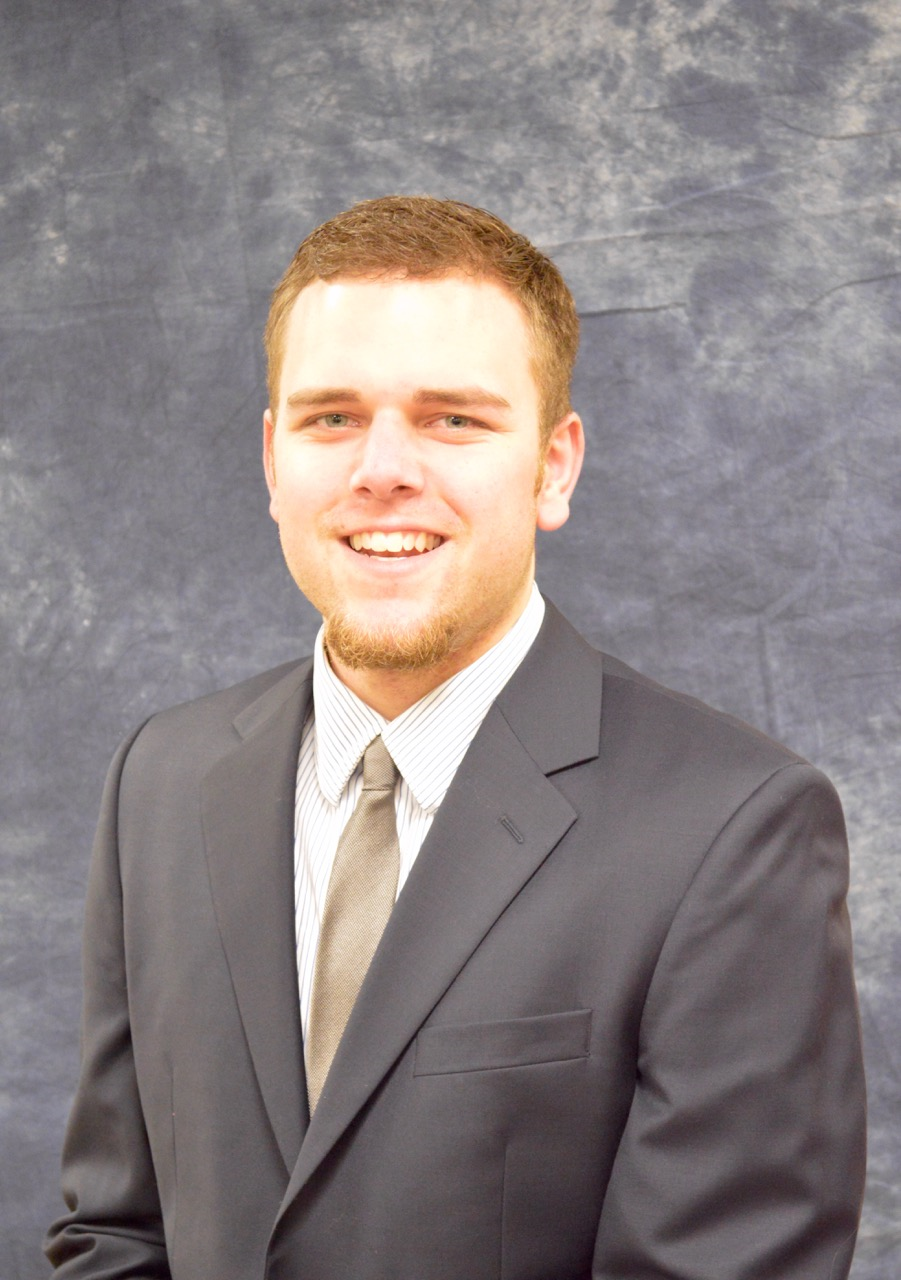
By Ross Ellerbrock, Pharm. D.
Diabetes is diagnosed when a person’s pancreas is unable to produce insulin properly.
Type 1 diabetes is characterized by the destruction of the cells required to make insulin, a hormone that regulates the amount sugar in the blood. Whereas, Type 2 diabetes results from the gradual loss of insulin-producing cells or resistance to insulin throughout the body.
Insulin medication was developed in the 1920s by an orthopedic surgeon from Ontario, Canada. Beginning with pancreas extracts that had shown success in lowering blood sugar, the investigation continued until impurities were removed. Eventually, only a small section of the pancreas was extracted and proved to lower blood sugar in models. As advancements continued, Eli Lilly and Company became interested and acquired the rights to manufacture insulin.
By 1982, Eli Lilly had marketed Humulin which is “human” insulin. Today, there are multiple different insulin products available to treat diabetes. These insulin medications are categorized based on their onset of action and duration of action.
The fast-acting insulins begin to work within 5-15 minutes and last for about three hours. Because of the rapid onset, this type of insulin is usually reserved for mealtime coverage. The ultra-long acting insulins can last for more than 24 hours. These long-acting insulins are designed to simulate the amount of insulin that would normally be released from the pancreas throughout the day.
Unlike most medications, insulin is not available in a tablet or capsule. Insulin, in the form of a solution, is administered just under the skin into the subcutaneous fat layer. This is done using an insulin pen with needles, an insulin pump, or syringes with needles.
Patients with diabetes are required to test their blood sugar to ensure blood glucose levels do not get too high or too low. Depending on the person, testing can range from once a day to multiple times per day. This can be measured using a glucometer which may require the patient to prick their finger to obtain a sample of blood. With technological advancements, some blood glucose monitors are now attached to the skin, saving patients from pricking their fingers.
Management of diabetes will likely require a team approach with the help of friends, family, nurses, dieticians, physicians and pharmacists. While there is not cure for diabetes, keeping blood glucose levels near normal, taking medication and keeping a healthy diet are key in managing your diabetes and living a healthy life.
Stories Posted This Week
Friday, October 16, 2026
Thursday, October 15, 2026
- DeWine announces $200M Rural Health Transformation program award
- Herb program with Marge Lafollette, Oct. 15
- Prairie seeding activity at Bluffton University, October 24
- Food for thought: Choline for the brain
- Results for 5K on October 2, Bluffton University Homecoming event
- 15 minutes with Sherry Miller, senior center activities coordinator
Wednesday, October 14, 2026
- Ada Icon headlines, October 14
- CANCELLED Main St. closure on October 15
- Frederick Clyde Warren founded True-2-Form Plastics
- October 15 Bluffton Schools athletics lineup, streaming
- Pirate boys soccer beats Wapak in regular season finale
- Pirate girls soccer defeats Liberty Center
- Mennonite pastor to explore ‘good news’ in creation
- Bluffton University earns recognition in U.S. News & World Report rankings
- Obituary for Deborah "Debbie" Welch, 74
- Spirits and exorcism presentation during University Spiritual Life Week Forum
- Dodging bullets: Bluffton oral history 90+ years after Dillinger robbery
- Nora Matthews named BHS Student of the Month for September 2026
- ICAPP analysis on charter status and local autonomy
Tuesday, October 13, 2026
- Ada Icon headlines, October 13
- Bluffton area Women in Business meeting October 15
- Leo club glasses collection
- Night at the (Swiss Historical) Museum, October 24
- Woodcarving ornament workshop at Swiss Heritage Center
- Barefoot nature walks at the Nature Preserve
- Pirate volleyball seeded 4th
- Beavers sports roundup, October 6-11
- Bluffton leaf pickup scheduled for last week of October
- Pirate boys soccer shuts out Bellefontaine
- Watch an after school movie at the Bluffton Public Library
- Dunlap awarded OSBA humanitarian award