






















Understanding Cold-Induced Asthma

This story provided by Ohio Northern University HealthWise Pharmacy.
When the weather gets cold, a lot of people who have asthma notice that their symptoms get worse. Why does this happen, and how can you avoid it?
Here's what you need to know about cold-induced asthma.
What Is Cold-Induced Asthma?
Cold-induced asthma occurs as winter approaches and temperatures drop. People who have asthma may notice that they have more trouble breathing when outside, and exercising outdoors can become far more difficult.
Worsened symptoms can bring about an asthma attack, so it is important to understand what causes this condition.
What Causes This Phenomenon?
When you breathe, the air going into your lungs is warmed and humidified by the nose and mouth on the way in. But when the air entering your airways is freezing cold, it is harder for your nose and mouth to humidify and warm it up.
When cold, dry air hits the lungs, they respond by tightening. This can make breathing feel more difficult. As cold air passes through the airways, it can dry them out. This can trigger coughing and lung spasms that make an asthma attack more likely.
If you are exercising outside, you may find that you have a much sharper increase in asthma symptoms. This is primarily because your body requires more oxygen when you exercise, causing you to breathe in more cold air, and you are more likely to breathe through your mouth during physical activity. The mouth is not as effective as the nose at humidifying and warming air.
How Can I Treat Cold-Induced Asthma Symptoms?
Symptoms of cold-induced asthma include the following:
- Wheezing
- Coughing
- Chest pain
- Shortness of breath
- Tightness in the chest
If you experience any of these symptoms when exposed to cold outdoor air, one of the best things you can do is move inside to a warmer environment. After you breathe in the warmer air for a few minutes, the symptoms may subside.
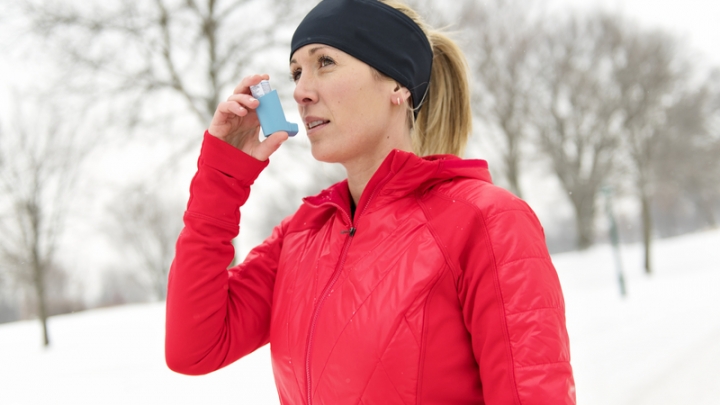
If you are having an asthma attack, use your prescribed inhaler as directed by your doctor.
Symptoms that arise primarily during outdoor exercise may be treatable with medications called leukotriene receptor inhibitors. Ask your health care provider any questions you have about cold-induced asthma and the available treatments.
Stories Posted This Week
Sunday, October 18, 2026
Saturday, October 17, 2026
Friday, October 16, 2026
- Production offers a modern take on the story of St. Clare of Assisi
- Bluffton volleyball edged in 5 by Van Buren
- Pirate girls soccer tie O-G
- October 16 Bluffton Schools athletics lineup, streaming
- Bluffton Council recap: Officers honored for 25 years of service
- Bluffton Clean Up teams up with Troop 3256 Cub Scouts
- Ada FFA: Feeding the Farmers
- Nov. 7 Fall Community Day at Bluffton University
- Quarry Farm Nature Preserve news for Fall 2026
Thursday, October 15, 2026
- DeWine announces $200M Rural Health Transformation program award
- Herb program with Marge Lafollette, Oct. 15
- Prairie seeding activity at Bluffton University, October 24
- Food for thought: Choline for the brain
- Results for 5K on October 2, Bluffton University Homecoming event
- 15 minutes with Sherry Miller, senior center activities coordinator
Wednesday, October 14, 2026
- Ada Icon headlines, October 14
- CANCELLED Main St. closure on October 15
- Frederick Clyde Warren founded True-2-Form Plastics
- Pirate boys soccer beats Wapak in regular season finale
- Pirate girls soccer defeats Liberty Center
- Mennonite pastor to explore ‘good news’ in creation
- Bluffton University earns recognition in U.S. News & World Report rankings
- Obituary for Deborah "Debbie" Welch, 74
- Spirits and exorcism presentation during University Spiritual Life Week Forum
- Dodging bullets: Bluffton oral history 90+ years after Dillinger robbery
- Nora Matthews named BHS Student of the Month for September 2026
- ICAPP analysis on charter status and local autonomy