






















Post-Traumatic Stress Disorder

Post-Traumatic Stress Disorder (PTSD) is a condition that directly affects one's mental health and disrupts daily activities. PTSD may arise from a wide variety of contexts, such as natural disasters, motor vehicle-related accidents, sexual assault and assault. It is also commonly associated with wartime activities like direct combat.
Although traumatic events impact individuals differently, the general, core symptoms of PTSD include invasive memories, avoidance of certain situations, ongoing negative mood and thinking processes, and undesired changes in physical/emotional reactions. Symptoms of PTSD can also consist of vivid flashbacks and persistent nightmares, which directly interrupt the healthy sleep cycle. The uncontrollable, post-traumatic thoughts revolve around the event that took place, and the recurring pattern can eventually lead to severe anxiety. In some cases, PTSD hinders the building and nurturing of interpersonal relationships, and this may result in depression and/or a profound sense of social isolation.
Even when safe and far-removed from the initial traumatic event, the complications from PTSD can intrude into many integral and unrelated facets of a person's life. While some have difficulty maintaining previously established relationships, others find themselves unable to take comfort in the everyday activities they once loved. Some find it challenging to exist and thrive in common occupational environments. In severe cases, all of the above are manifested in the post-traumatic period.
The formal diagnosis of PTSD looks for specific criteria: the person must have directly experienced, or witnessed, an event that included an actual (or possible) encounter with death, violence (including sexual assault) or serious bodily harm. One possible example is when a person witnesses the death of a child, loved one, or friend. Other examples involve the repeated exposure to traumatic events. Such scenarios are experienced by our first responders and active combat veterans, many of whom have borne witness to tragic accidents and/or gunfire on a regular basis.
Since much about PTSD is still unknown, and since its manifestations are so variable, treatment options vary. The most common, primary treatment is psychotherapy (also known as "talk therapy"). In some cases, the sufferer of PTSD will receive medications to help them regain a greater sense of control over life events. As current research suggests, however, trauma-focused psychotherapy leads to the most-optimal results. For combat veterans, group therapy sees the greatest benefit, as it connects survivors with each other and enables them to share and validate their past experiences.
While certainly not universal, medications are also employed in conjunction with psychotherapy. PTSD medications are prescribed by qualified mental health providers, and they include a variety of commonly used antidepressants, such as selective serotonin reuptake inhibitors (SSRIs). Mental health professionals may also recommend the qualified administration of anti-anxiety medications and sleeping aids to help promote healthier patterns of daily living.
Among the other treatment options for PTSD, Prolonged Exposure Therapy is designed to help a person gain control over negative feelings and mindsets. Another trauma-focused therapy approach is called Cognitive Processing Therapy (CPT). CPT teaches an individual to reframe their thought patterns. Eye Movement Desensitization and Reprocessing (EMDR) is a treatment option that helps one achieve an increased sense of awareness while working through the aftermath of a traumatic event.
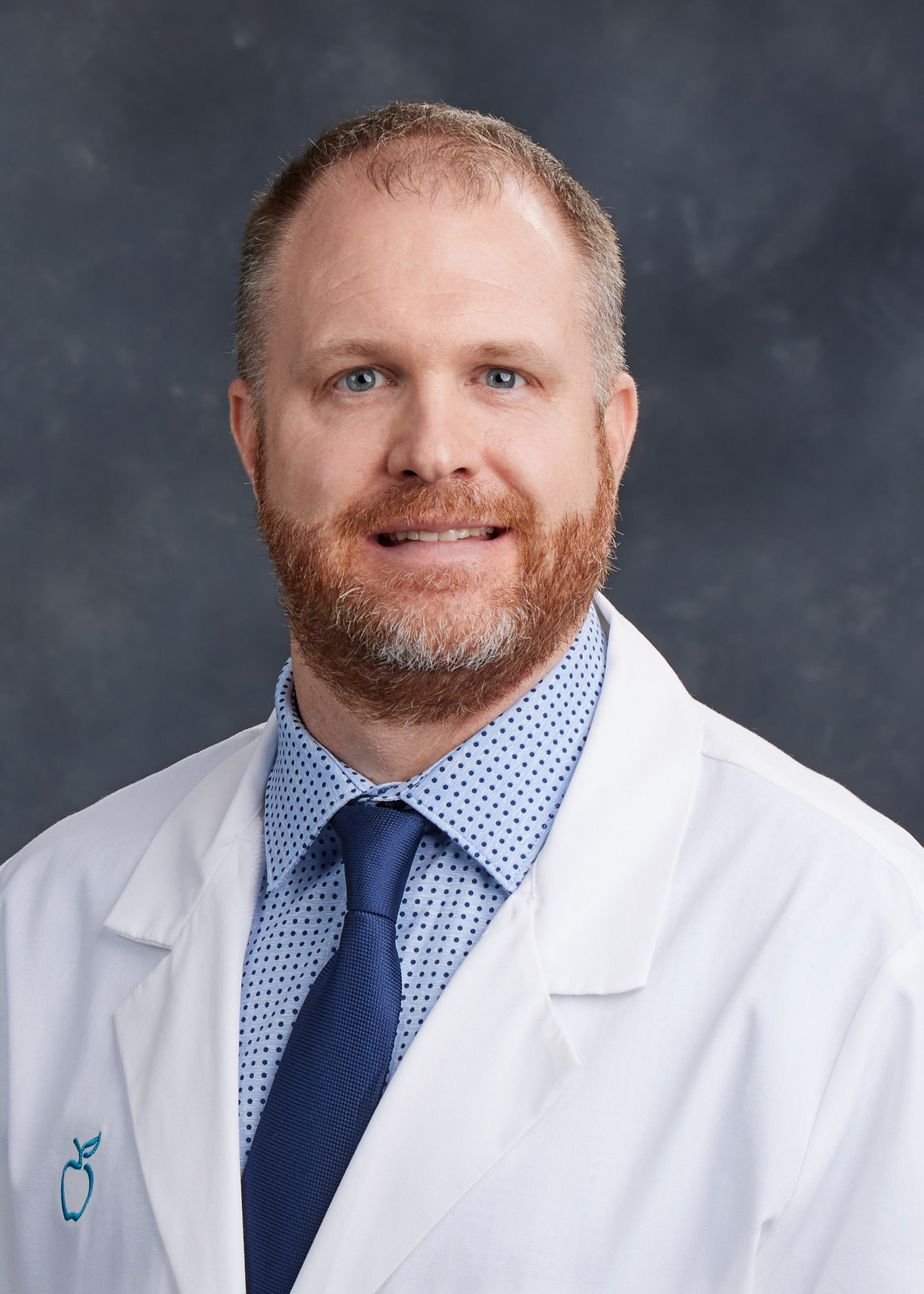
As I am currently serving in the military as an officer, and with past service experience as an enlisted member, I take pride in understanding its complexity as well as helping PTSD survivors. While Post-Traumatic Stress Disorder is indeed a challenging condition, there is hope for relief. With a comprehensive plan based on individual needs, it is possible for PTSD survivors to look forward to a healthier life!
James Legge III, APRN-CNP
Certified Nurse Practitioner
Psychiatric Center of Northwest Ohio
_______________
Blanchard Valley Health System provides a total continuum of care to more than 100,000 households in an eight-county area.
Stories Posted This Week
Wednesday, October 14, 2026
- Mennonite pastor to explore ‘good news’ in creation
- Obituary for Deborah "Debbie" Welch, 74
- Spirits and exorcism presentation during University Spiritual Life Week Forum
- Dodging bullets: Bluffton oral history 90+ years after Dillinger robbery
- Nora Matthews named BHS Student of the Month for September 2026
- ICAPP analysis on charter status and local autonomy
Tuesday, October 13, 2026
- Ada Icon headlines, October 13
- Bluffton area Women in Business meeting October 15
- Leo club glasses collection
- Night at the (Swiss Historical) Museum, October 24
- Woodcarving ornament workshop at Swiss Heritage Center
- Barefoot nature walks at the Nature Preserve
- Pirate volleyball seeded 4th
- Beavers sports roundup, October 6-11
- Bluffton leaf pickup scheduled for last week of October
- Pirate boys soccer shuts out Bellefontaine
- Watch an after school movie at the Bluffton Public Library
- Dunlap awarded OSBA humanitarian award