






















Weekend Doctor: Hospice volunteers

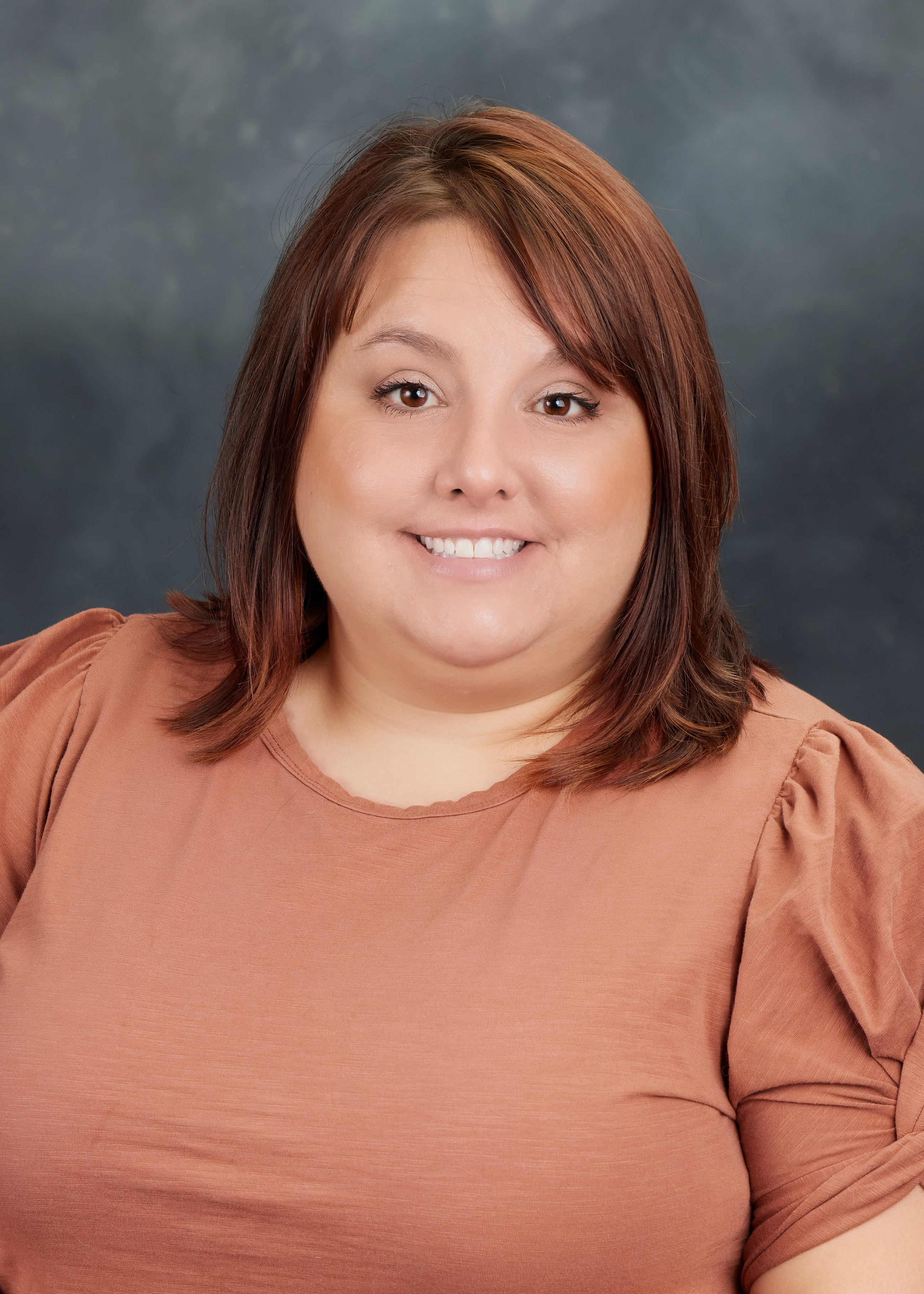
By Gina Bailey, RN, Nurse Liaison, Bridge Home Health and Hospice
Hospice volunteers are an essential part of the hospice philosophy, which is comfort and dignity. Hospice clinicians and volunteers work together to offer a holistic approach in caring for patients and their loved ones, meeting the medical needs, while also providing emotional, spiritual and social support. Hospice volunteers help provide patients and families with compassionate care during their end-of-life journey.
There are several different types of volunteers which all play a crucial part. These roles include respite care, pet therapy, music therapy, vigils, bereavement and administrative support. Whatever role you choose, you are a valued member of the hospice team, and every volunteer will tell you that they love what they do.
What is respite care? Respite care allows caregivers to have a short break for self-care, to run errands or attend appointments. Volunteers often play cards, read aloud, listen as an unbiased ear, hear patients tell stories or just hold their hand.
Vigils are provided in the final hours with or without family present. Some families need to have the physical presence of another during the final phase of their loved one’s life. This may be provided in a private home, long-term care or assisted living facilities. Hospice ensures that no one dies alone.
For those who wish to volunteer but prefer less direct care, administrative and bereavement support is important. Administrative volunteers assist staff with routine tasks such as mailings, filing and phone calls. Hospice volunteers are also an essential part of gifting programs. These programs work to grant wishes and needs, from celebrating birthdays or anniversaries to installing wheelchair ramps. After the passing of a loved one, bereavement provides support to the family for 13 months. Bereavement volunteers provide services such as accompanying families to grief share groups, act as buddies and help with programs such as Camp S.T.A.R and Sew Many Memories.
Why volunteer? Volunteering is prosocial behavior, which has been shown to make communities stronger and safer. In 2019, 60 million Americans volunteered in some capacity, which is an estimated 180 billion dollars in service. In addition, studies have shown that those who routinely volunteer are less likely to develop dementia, have lower blood pressure and are less likely to suffer from depression. Volunteering gives one a “giver’s glow,” in which neurochemicals are released. These chemicals include dopamine, which provides a feeling of pleasure; endorphins, which provides feeling of euphoria and oxytocin, which allows one to feel at peace.
When an individual volunteers, they gain a greater knowledge of self from insights of others, make meaningful relationships and grow spiritually. Remember as Mahatma Gandhi said, “The best way to find yourself is to lose yourself in the service of others.”
Stories Posted This Week
Sunday, October 11, 2026
Saturday, October 10, 2026
Friday, October 9, 2026
- Ada Icon headlines, October 9
- Pirate girls soccer loss vs. St. Marys
- Pirate volleyball sweeps Carey
- “The Trumpet Player” sculpture at Bluffton University receives conservation grant
- October 9 Bluffton Schools athletics lineup, streaming
- Plenty of action at Oct 10 Dillinger robbery reenactment and motorcycle show
- Caitlyn Couch junior piano recital, October 16
- Bluffton community survey opens for Active Transportation Plan
Thursday, October 8, 2026
- Ada Icon headlines on Thursday, October 8
- St. John Bible Church to host "Refocus on Purpose" workshop
- Royal riches: Gout
- Has Bluffton made a birder out of you?
- BPL Afterschool activity: Curious Kids Club
- Book and pizza tasting at Bluffton Public Library
- Final 50 for 250 performance at BPL
- Walking through the Suter Corn Maze
- Resident feedback sought for Regional Transportation Plan
- Bluffton University honors three for service, achievement and leadership