





















Concerning lung cancer screening and prevention

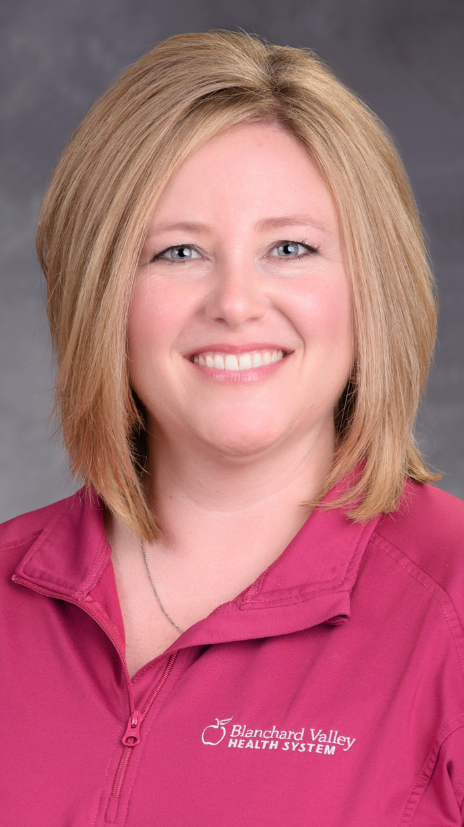
By Brianne Hottinger, BSN, RN, OCN, CBCN, TTS
The Armes Family Cancer Care Center
According to the Center for Disease Control, lung cancer is the lung cancer is the most fatal type of cancer and the second most common cancer in the United States among both men and women. The most significant action one can take to reduce the risk of lung cancer is quitting smoking. When a smoker quits, his or her heart rate and blood pressure drops 20 minutes after the last cigarette.
Five years after quitting, risk for certain cancers such as mouth, throat, esophagus and bladder cancers are reduced by half. Additionally, cervical cancer and stroke risks are reduced to the same level of risk as a non-smoker. It is never too late to abandon the habit. Anyone who wants to quit smoking is strongly encouraged to seek help and ask their provider for guidance. Information and tips can also be accessed from the quit line at 1-800-QUIT-NOW, and online resources can be found through local hospitals.
A second way to prevent and discover lung cancer early is through a lung cancer screening program. This program is billed to your insurance as a low-dose CT scan and is covered by most insurances, but each individual should contact their insurance to inquire about coverage. Anyone with a high risk for lung cancer is encouraged to receive a screening. Someone who is “high risk” is defined as a current or former smoker who has quit within the last 15 years, is 55-77 years old, and has a tobacco history of 30 or more pack years. Pack years can be calculated by multiplying the number of packs of cigarettes smoked per day by the number of years the person has smoked.
Providers can refer patients to the lung cancer screening program by contacting an oncology nurse navigator to begin the process of enrollment. Once the information is reviewed for accuracy and passed on to a pulmonologist participating in the program, the pulmonologist will call the patient and set up an office visit to review the patient’s history, risks and benefits of the program. After this visit, the first low-dose CT exam is scheduled.
Each low-dose CT exam is given a Lung-RADS category. This category determines when patients should return for a follow-up based on whether findings are negative, benign or suspicious. As the patient progresses through the program, a care navigator records results to help determine program effectiveness.
Your best defense against cancer is having a strong offense. This offense is preventing cancer by smoking cessation, healthy living and screening when appropriate. If you have any questions about lung cancer prevention and screening, reach out to your provider or call an oncology nurse navigator.
Stories Posted This Week
Wednesday, October 21, 2026
- October 21 Bluffton Schools athletics lineup, streaming
- Village of Beaverdam requests suggestions for park grant application
- Charles “Chuck” Wendall Collins, 63, owned Eagle Press Repairs
- Dwain L. Leiber, 87, owned Leiber Garage
- Kimberly Dawn Murphy, 55, taught at Findlay City Schools
- October 21 Bluffton Schools 2-hour delay
- Kaleidoscope Farms honoring veterans, thanking current troops, Nov. 8
- Filmmaker to preview documentary exploring life beyond incarceration
- ONU mobile health clinic at Senior Center on Oct. 28
Tuesday, October 20, 2026
- Columbus Grove-Bluffton Rd. closure planned for up to three weeks
- Two Pirate volleyball players make 1st team All-NWC
- 3 Pirate girls 1st team All-NWC soccer
- Pirates dominate All-NWC boys soccer awards
- Local filmmaker focuses on memories made by people and places
- Bluffton Public Library: Medicare 101
- BHS artists prepare Yankee Doodle Christmas Trees for Jingle Bell Stroll
Monday, October 19, 2026
- Beavers sports roundup, October 14-18
- Ada Icon headlines, October 19
- JessExpress Travel is the Icon's newest advertiser
- Gatchel 7th in girls, Pirates 4th at NWC cross country meet
- Veterans invited to Pandora-Gilboa banquet, November 10
- Wearable sculptures featured in exhibit On Soft Ground
- Historic depot rentals offered for meetings and parties