
























Head, shoulders, knees and toes: Arthritis therapy

By Jenna Bell, Student Pharmacist and Karen L. Kier, Pharmacist
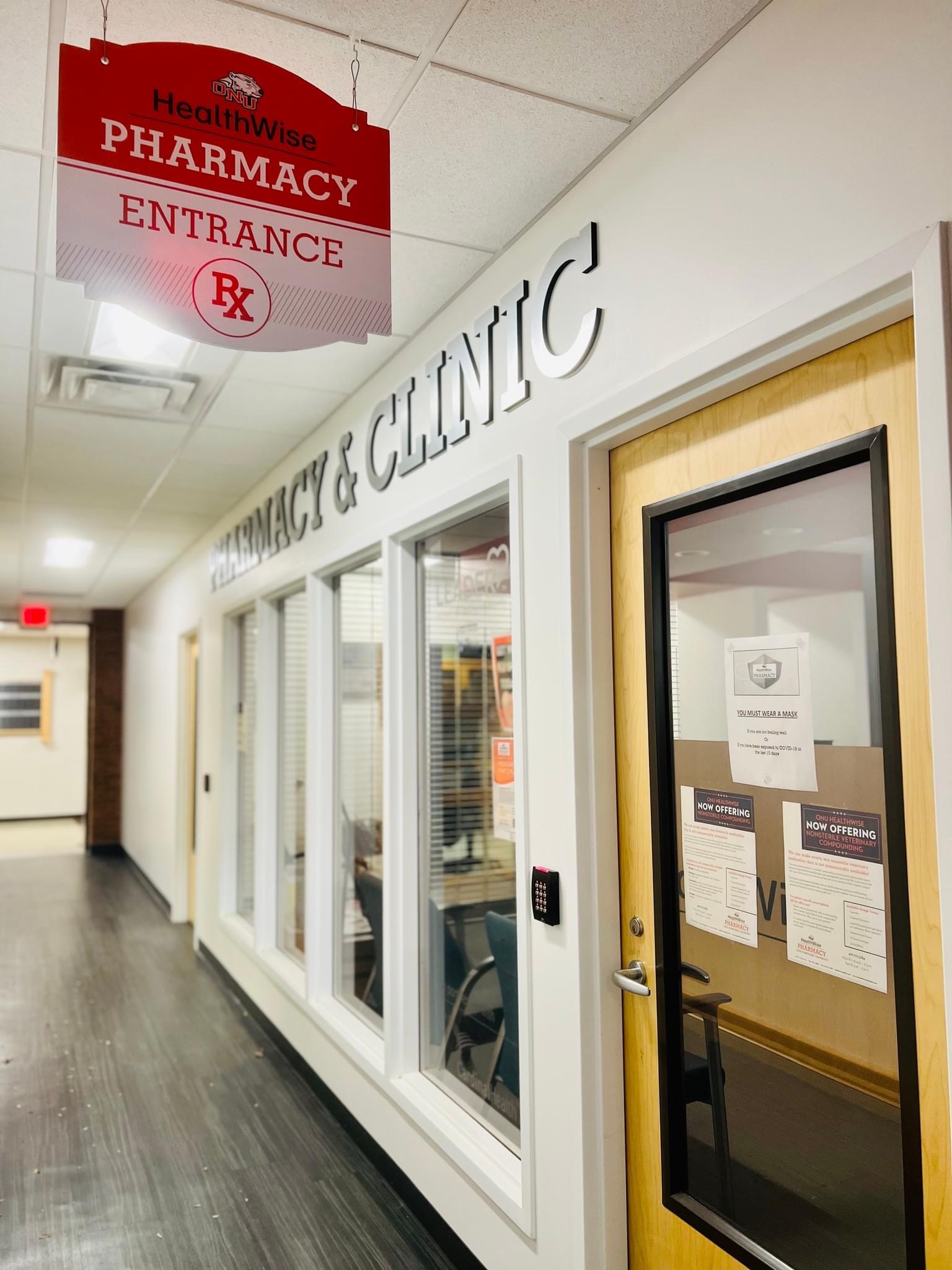
ONU Healthwise Pharmacy
“Head, shoulders, knees and toes” is a children’s song first recognized in 1912 that is used globally to teach children the various body parts. Different versions of the nursery rhyme have been sung with the lyrics matched up to London Bridge is Falling Down and Frère Jacques.
As we age, many of our body parts can develop arthritis with our knees often being very susceptible to the condition. About 20% of the United States population over the age of 45 years has been diagnosed with knee osteoarthritis. The condition is more likely to start in the 5th and 6th decades of life.
Women are more likely to suffer from osteoarthritis than men. Two other risk factors are older age and being overweight which puts stress on the knee joint.
Osteoarthritis is usually a result of wear and tear on the joints and most often affects the weight-bearing joints, but can be associated with an injury. Pain and stiffness of the joint is the most common complaint with knee osteoarthritis. For some individuals, morning stiffness can resolve with movement about 30 minutes after rising.
The goal for managing knee osteoarthritis is to manage the symptoms, reduce pain, slow the progression of the condition and improve one’s quality of life.
Therapies can include modifying lifestyle choices especially involving losing weight and doing some low-impact exercises. Some may benefit from seeing a physical therapist to work with them on improving strength, flexibility and reducing pain. Healthcare professionals can recommend supportive devices such as braces, canes and shoe inserts.
Both over the counter and prescription medications can improve pain in the joints. Nonsteroidal anti-inflammatory drugs (NSAIDs) such as ibuprofen (Motrin, Advil) and naproxen (Aleve) can be taken as pills to reduce pain. Some NSAIDs come as a topical gel for the knees such as diclofenac 1% gel (Voltaren). Stronger NSAIDS both in tablets and topical gels can be obtained with a prescription if deemed appropriate.
Eventually some people may need a surgical knee replacement to overcome the joint damage and pain.
Many current treatments for knee osteoarthritis, such as over-the-counter pain relievers, only work for a short time. This has led researchers to look for new ways to help patients manage their symptoms and improve their quality of life.
A recent study in the Journal of the American Medical Association (JAMA) tested whether metformin, a medicine used to treat type 2 diabetes, could help patients with knee osteoarthritis. In the study, more than 100 adults with knee pain with osteoarthritis for at least six months took either metformin or a placebo pill over a 6-month period. All of the participants in the trial were overweight, but did not have diabetes. After the trial, the group taking metformin reported less pain, less stiffness and better ability to do daily activities compared to the placebo group. Around 15% of patients in the metformin group experienced mild side effects, such as diarrhea and stomach pain.
From this study, researchers reported metformin 2000 milligrams per day may help reduce pain in patients with knee osteoarthritis who are overweight or obese. Although the results presented are promising, this was a smaller study and more research is needed before metformin can be recommended as a treatment for knee osteoarthritis.
Patients with knee osteoarthritis can, however, take other steps to manage their symptoms. Low-impact exercises such as walking, biking and swimming can keep joints moving and help reduce pain. Additionally, over-the-counter pain medications such as acetaminophen (Tylenol) and ibuprofen may help to alleviate discomfort.
Pharmacists are one of the many healthcare providers who can help patients manage osteoarthritis. Metformin can interact with other medications, so patients should check with their pharmacist before taking new prescriptions or over the counter products.
Keep working those head, shoulders, knees and toes to improve outcomes!
◾️
Stories Posted This Week
Thursday, October 1, 2026
- ICYMI: September 2026 Bluffton Icon Highlights
- October 1 Bluffton Schools athletics lineup, streaming
- Ar-Hale Family Foundation supports Crime Victim Services
- Bluffton Police answer 672 calls for service in August 2026
- Pressure: Beets for the heart
- BHS Junior Class fundraiser for Post Prom
- Beaver and Pirate homecoming doubleheader
Wednesday, September 30, 2026
- Pirate volleyball loss vs. Lincolnview
- Village of Bluffton meetings announced, Oct. 1-Nov. 2
- 100 years of being Beavers: 2026 Bluffton University Homecoming, Oct. 2-4
- Check out October 2026 BPL Update
- Final call for for Bluffton photos contest
- Pandora-Gilboa HS crowns Homecoming King and Queen
- Bluffton Council recap: Purchase of Marsh Run acres approved
- Senior Center's October membership dinner
Tuesday, September 29, 2026
- Pirate volleyball sweeps Wapakoneta
- Pirate boys golf 4th at NWC tourney; Meyer places 2nd
- Pirate girls soccer shuts out Lima Central Catholic
- Pirate boys soccer shuts out Lima Central Catholic
- Pirate girls tennis blanks Kenton
- Bluffton Fall Festival overflows with family fun
- Stauber exhibit at Massillon Museum through November 1
- Arlington invites generations of alumni to all-school Homecoming
Monday, September 28, 2026
- Beavers sports roundup, September 21-27
- Alan K. Yoder, O.D., 86, owned Family Eye Care Clinic of Bluffton
- I-75 lane restrictions in Hancock County, Sept. 28-Oct. 2
- Travis Michael Swank, 40, was a salesman
- NetVUE panel highlights chaplaincy, vocation and meaningful work
- Bluffton Presbyterian hosts community-wide Socktober drive