






















Weekend doctor: Lymphedema

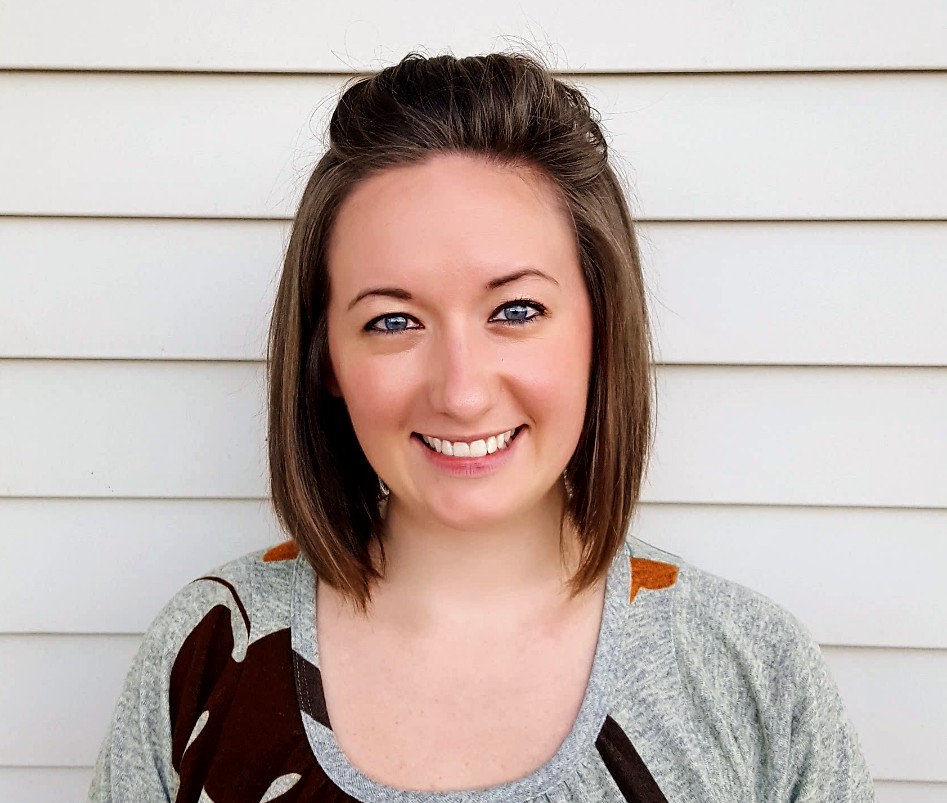
By Emilee Shoemaker MOT, OTR/L, CLT-LANA
Occupational Therapist
There is never a good time to develop a chronic condition in your life but developing one at the end of your cancer battle can be one of the worst times. This is one of the ways lymphedema can emerge into someone’s life.
Lymphedema has several causes, but one can be from a surgery to remove cancerous lymph nodes or from damage done to the lymphatic system following radiation. Yet, surgery and radiation are both necessary to stop and prevent cancer from spreading. Lymphedema does not follow everyone that has had these procedures and fortunately, there has been a rise in lymphedema research that can help individuals who are at risk or who have developed lymphedema.
Understanding the basics of our lymphatic system encourages people who are at risk of lymphedema to seek preventative measures during their cancer treatment. The lymphatic system can be described as our “garbage collector” of the body. It cleans out the blood stream to help us stay healthy. The average person has 600-700 lymph nodes throughout their body as well as countless lymph vessels that reach every part of the body. The lymphatic system is right below your skin, and above your muscles. Which means, anything that punctures the skin could affect your lymphatic system, even simple wounds such as a bug bite or a sunburn.
Another way lymphedema could present itself is following a muscle strain. Once the body feels there is an injury, it will send fluid to help heal the muscle. Then the injured lymphatic system could have trouble filtering the excess fluid back to where it needs to go, which would then lead to swelling.
One method of cancer treatment is through a lymph node dissection or multiple lymph node removals. This can be necessary, and you should follow your surgeon’s recommendations regarding your cancer treatment. When a lymph node is removed, it is harder for that part of the body to clean out the blood stream. It is also harder for healthy tissue to circulate to that part of the body. This could lead to a sense of heaviness, swelling, numbness/tingling, hardening of the skin or even an infection.
It is recommended to visit a lymphedema therapist to discuss your options if you feel that you are at risk or that you currently have lymphedema. The lymphedema therapist can discuss preventative methods such as wearing sunscreen, insect repellent and being thorough with cleaning your skin.
It would also be recommended to start on a basic strengthening program to aid in the pumping of lymphatic fluid. A lymphatic pump or a lymphatic compression sleeve might benefit you in preventing lymphatic fluid buildup. With recent research, patients with lymphedema have more hope now than ever.
Stories Posted This Week
Thursday, October 15, 2026
- DeWine announces $200M Rural Health Transformation program award
- Herb program with Marge Lafollette, Oct. 15
- Prairie seeding activity at Bluffton University, October 24
- Food for thought: Choline for the brain
- Results for 5K on October 2, Bluffton University Homecoming event
- 15 minutes with Sherry Miller, senior center activities coordinator
Wednesday, October 14, 2026
- Ada Icon headlines, October 14
- CANCELLED Main St. closure on October 15
- Frederick Clyde Warren founded True-2-Form Plastics
- October 15 Bluffton Schools athletics lineup, streaming
- Pirate boys soccer beats Wapak in regular season finale
- Pirate girls soccer defeats Liberty Center
- Mennonite pastor to explore ‘good news’ in creation
- Bluffton University earns recognition in U.S. News & World Report rankings
- Obituary for Deborah "Debbie" Welch, 74
- Spirits and exorcism presentation during University Spiritual Life Week Forum
- Dodging bullets: Bluffton oral history 90+ years after Dillinger robbery
- Nora Matthews named BHS Student of the Month for September 2026
- ICAPP analysis on charter status and local autonomy
Tuesday, October 13, 2026
- Ada Icon headlines, October 13
- Bluffton area Women in Business meeting October 15
- Leo club glasses collection
- Night at the (Swiss Historical) Museum, October 24
- Woodcarving ornament workshop at Swiss Heritage Center
- Barefoot nature walks at the Nature Preserve
- Pirate volleyball seeded 4th
- Beavers sports roundup, October 6-11
- Bluffton leaf pickup scheduled for last week of October
- Pirate boys soccer shuts out Bellefontaine
- Watch an after school movie at the Bluffton Public Library
- Dunlap awarded OSBA humanitarian award