






















Weekend Doctor: Sleepwalking

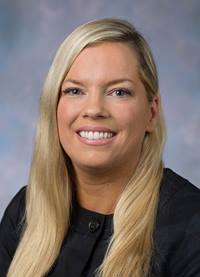
By Emily Decker, MD
Primary Care Pediatrics, Nationwide Children’s Hospital
Sleepwalking happens when a child is asleep but does activities such as sitting up, getting out of bed, eating, or even getting dressed. Those activities could last a few seconds to a half hour–and the child will usually never remember they did it. It usually happens within the first couple hours of a child falling asleep.
Sleep talking happens when a child talks in their sleep–either words and sounds that make no sense, or a normal conversation–and they usually don’t remember it happening.
Sleepwalking and talking usually go away by the teen years. Up to 15 percent of children between the ages of five and 16 sleepwalk. The most common trigger is being overtired.
Children are more likely to talk in their sleep and can outgrow it as they age. As children get older, sleep talking episodes usually decrease and can happen once every few months or so. They are most common in kids ages two to 12.
Sleepwalking can be caused by many things, such as lack of sleep or going to bed late, illness or stress, noisy or new environment, certain medications and sleeping with a full bladder.
The causes of sleep talking are not as well-known but could include sleep deprivation, genetics (sleep talking can run in the family), mental health conditions, fever or illness.
In most cases, sleepwalking needs no treatment. Episodes are typically rare, and there is little to no risk for the child experiencing it. Children usually outgrow sleepwalking.
If sleepwalking continues, there are a few things you can do to help your child. Try to reduce any safety concerns by removing trip hazards, closing and locking doors and keeping dangerous objects out of reach. You can also put a gate on stairs and close windows. Make sure your child has a consistent bedtime routine and is getting enough sleep and reduce screen time if needed.
Sometimes, a child’s sleepwalking can be linked to other underlying conditions or disorders. If this is the case, treating those conditions may help to resolve the sleepwalking episodes. If you believe this is the case for your child, contact your doctor.
Gently guide your child back to bed, but do not try to wake them up or startle them. This could further disrupt sleep, prolong the episode and cause fear. Speaking calmly and quietly can help your child. Also, try not to let them feel ashamed, since this is normal in childhood.
Unlike sleepwalking, the cause of sleep talking is not as well understood and there is limited knowledge on how to prevent it. However, sleep talking episodes don’t happen often, and usually don’t disturb sleep, so treatment or intervention is typically not needed.
There are a few things you can do to help your child stop talking in their sleep. These include keeping a consistent sleep schedule for your child (even on the weekends); giving children some time to relax before bed and put away all electronic devices at least a half-hour before bedtime; creating a dark, comfortable, distraction-free sleep space for your child; finding time for your children to be physically active throughout the day and avoiding caffeine.
Call a doctor or health care provider if the episodes become more and more frequent, your child has nighttime snoring, episodes last beyond puberty, you think stress, anxiety, worry or trauma may be causing sleep problems or your child does something dangerous during an episode or has atypical or violent episodes.
Through a collaboration between Blanchard Valley Health System and Nationwide Children’s Hospital, the content of this article was provided courtesy of Nationwide’s 700 Children’s® blog by pediatric experts.
Stories Posted This Week
Friday, November 13, 2026
- 55th annual Carol Sing at Riley Creek UMC, Dec. 6
- Next Generation 911 announced by Hancock County
- Christine Denecker appointed to Ohio Humanities Council
- Community Electric Aggregation notices are in the mail to Bluffton customers
- Nov. 13 Bluffton Schools athletics lineup
- Letter: What a fall for our Bluffton Pirates
Thursday, November 12, 2026
- Bluffton Middle School Honor Roll for 1st Quarter, 2026-2027
- Bluffton alumni to discuss lives and vocations in ministry
- Letter: Honoring 20 years of land preservation in West Central Ohio
- Prairie restoration research program on Nov. 20
- Bluffton Lions to hear presentation on humanitarian and disaster relief
- Separate the wheat from the chaff: Multi-ingredient botanicals for cholesterol
- Bluffton Council recap: $5,000 donated for Blaze lights installation
Wednesday, November 11, 2026
Tuesday, November 10, 2026
- Beavers sports roundup, November 2-8
- Veterans invited to Bluffton American Legion programs on Veterans Day
- James Raymond Harrod, Jr., 64, was a PGA professional
- Nathan Ulrey, 46, served in the Navy Seabees
- Letter: Thank you, Coach Richards
- Big Brothers Big Sisters launches 2026 year-end giving campaign
- Socktober drive collected 659 pairs for local distribution
- Jeanne Previte, 80, owned and operated Jeanne's Kitchen
- Bluffton Elementary Honor Roll for 1st Quarter 2026-2027
- Lego scarecrow earns GROB top honors from voters
- Former Blufftonite is lieutenant governor-elect of South Carolina
- University to stage costume drama that mixes emotion, humor and contemporary references
- Bluffton High School Honor Roll for 1st quarter of 2026-2027
- Nov. 13 chamber program on Opportunities for Ohioans with Disabilities
Monday, November 9, 2026
- Healing and life beyond incarceration explored at Forum
- Nov. 12 opportunity to learn Mahjong
- Door hanger craft class at Pandora library, November 17
- BPL after school movie, November 16
- Hailey's Wellness and Massage provide chair massages at Senior Center
- Bluffton area Women in Business Meeting November 19