





















Weekend Doctor: Holidays and depression

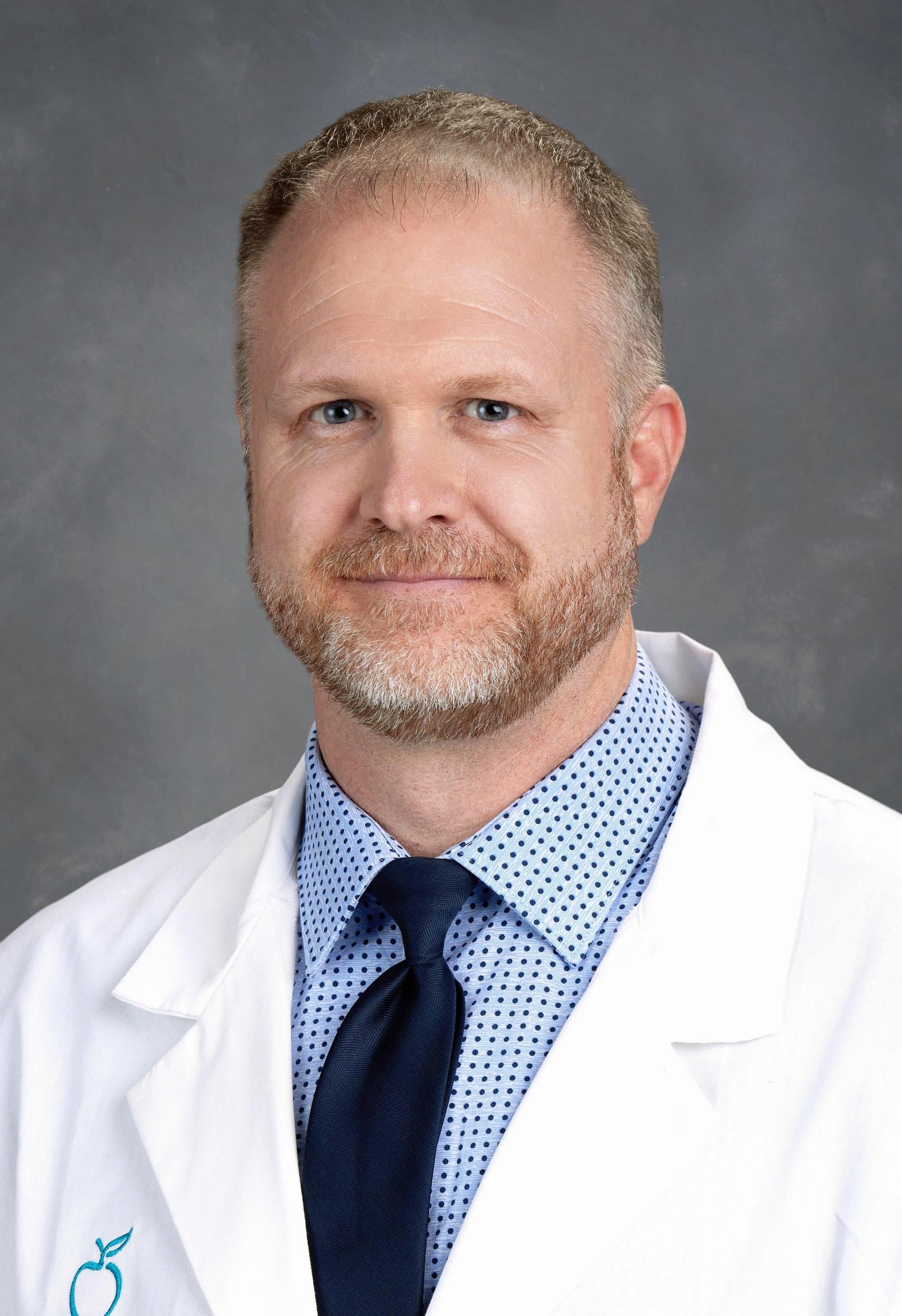
By James H. Legge III, MSN, APRN-CNP, PMHNP
Certified Nurse Practitioner, Psychiatric Center of Northwest Ohio
The holiday months (mid-November to post-January) can be extremely difficult for loved ones suffering from mental illness. It’s postulated that family members and friends can reach intolerable levels of anxiety and depression during this time due to accentuated family dynamics, financial strain, and other stressors.
Veterans Day occurs at the beginning of this period and is a stark reminder of veteran suicide, in addition to the other mental health challenges that are experienced by this select group. While I was working on this topic with a local veterans’ services office, a book was brought to my attention called “Tribe,” authored by Sebastian Junger. This book stresses the importance of a strong interpersonal support network. One example discussed how Native American veterans, when reabsorbed back into their support network, experience significantly lower reported rates of mental illness-related problems. Instances such as this highlight the importance of support networks, demonstrating how we can help those suffering from the isolation of post-traumatic stress. This thought process also helps better understand a true support network.
A support network refers to people who are integrated into a person’s life and available to help not only on a personal level but on a professional level as well. In each instance, the benefits of goal setting and attainment are significant. Striving toward the completion of a satisfying goal is one of the most powerful ways to reduce suicidal thoughts and behavior. While it is concerning to consider how many of our friends and neighbors are dealing with the hopelessness of mental illness, it is comforting to know that a strong support network can truly make a difference.
Related to the support network is the concept of the “safety plan.” A safety plan is a proactive tool of empowerment. Like a seatbelt or a fire drill, a safety plan involves recognizing, planning for, and responding to warning signs. Some of the parts of a safety plan include identifying and responding to behavioral changes; building internal coping strategies (such as avoiding mental roadblocks); integrating into and utilizing the help of a support network (and mutually understanding the roles of family and friends); becoming environmentally aware and prepared (such as removing lethal items from the home); and understanding the availability of local resources designed to help (such as crisis line numbers, therapeutic contacts, and emergency room locations).
While identifying a support network and creating a safety plan can seem like difficult tasks, there are experienced care teams trained to help. As vital features of the mental healthcare landscape, support networks and safety plans have the power to save a life.
Stories Posted This Week
Wednesday, October 21, 2026
- October 21 Bluffton Schools athletics lineup, streaming
- Village of Beaverdam requests suggestions for park grant application
- Charles “Chuck” Wendall Collins, 63, owned Eagle Press Repairs
- Dwain L. Leiber, 87, owned Leiber Garage
- Kimberly Dawn Murphy, 55, taught at Findlay City Schools
- October 21 Bluffton Schools 2-hour delay
- Kaleidoscope Farms honoring veterans, thanking current troops, Nov. 8
- Filmmaker to preview documentary exploring life beyond incarceration
- ONU mobile health clinic at Senior Center on Oct. 28
Tuesday, October 20, 2026
- Columbus Grove-Bluffton Rd. closure planned for up to three weeks
- Two Pirate volleyball players make 1st team All-NWC
- 3 Pirate girls 1st team All-NWC soccer
- Pirates dominate All-NWC boys soccer awards
- Local filmmaker focuses on memories made by people and places
- Bluffton Public Library: Medicare 101
- BHS artists prepare Yankee Doodle Christmas Trees for Jingle Bell Stroll
Monday, October 19, 2026
- Beavers sports roundup, October 14-18
- Ada Icon headlines, October 19
- JessExpress Travel is the Icon's newest advertiser
- Gatchel 7th in girls, Pirates 4th at NWC cross country meet
- Veterans invited to Pandora-Gilboa banquet, November 10
- Wearable sculptures featured in exhibit On Soft Ground
- Historic depot rentals offered for meetings and parties